










Ruth Rogers
a chef whose devotion to simple Italian cooking transformed London's restaurant scene.
- Boutique 7
- Apprendre 1
- Guide 5
- Événements 0
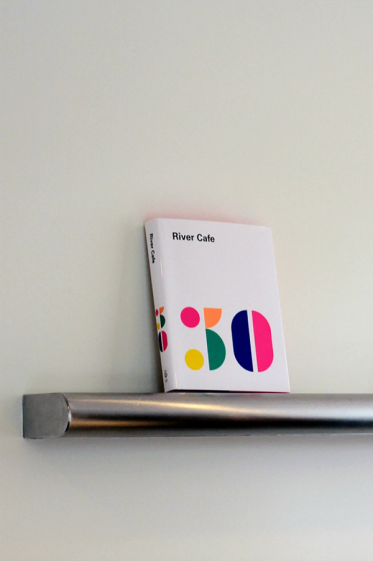
Like many great chefs, Ruth Rogers wanted to cook the sort of food she made at home. Shrouded in secrecy, with a menu appositional to London’s soggy culinary scene, River Café opened 30 years ago to a small fanfare.
Read the Story

“I think if people know that I love coming to work they want to come to work.”
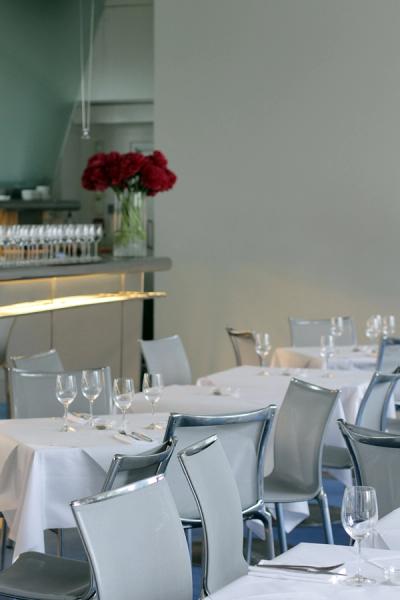
Like many great chefs, Ruth Rogers wanted to cook the sort of food she made at home. Shrouded in secrecy, with a menu appositional to London’s soggy culinary scene, River Café opened 30 years ago to a small fanfare. “I’m going to tell you about a restaurant you can’t go to,” were the opening lines to its first review, which Ruth fondly recited to us with the air of a cabaret emcee. It’s this theatricality which has, in part, tied Ruth to the River Café for so long; overseeing a dozen cookbooks, visits from Michelin, and the upheaval of the restaurant scene around it. This space – its clean lines, shock pink oven, hand-written menus – has many imitators, but few rivals. But at 30, if the walls of the River Café could speak, what would we hear?
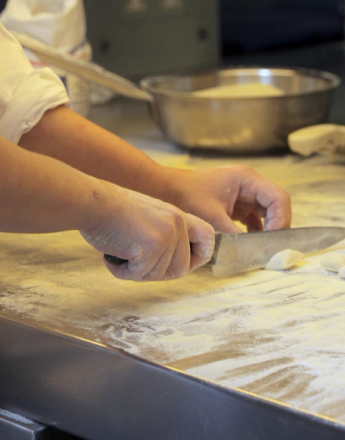
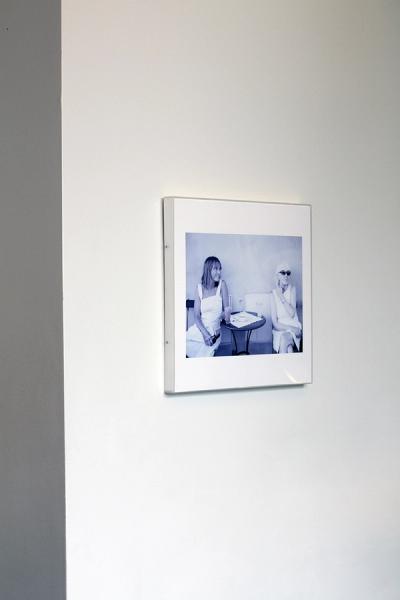
Rogers has the buffered, melodic vowels of a New Yorker long away from home, ringing true when she says: “I’ve got the best job in the world.” Having never professionally trained, Ruth and Rose simply wanted fresh, seasonal Italian cuisine in London—the likes of which they’d seen on their trips together. Shunning her prior roles as a graphic designer, or working in an architect’s office, Ruth seems tailor-made for the rhythms of a chef. The daily rituals at River (“the waiters peel the garlic, the porters are cleaning the clams, then we change the menu every service”) paint the picture of a culinary Snow White – one half expects the riverside birds to start helping lay the tables. This same zest has kept it in the conversation (there’s still mileage in telling how Rogers once had a pumpkin sent business class from Italy, while she sat in economy), due in no small part to the fact Ruth, well, shows up every day.

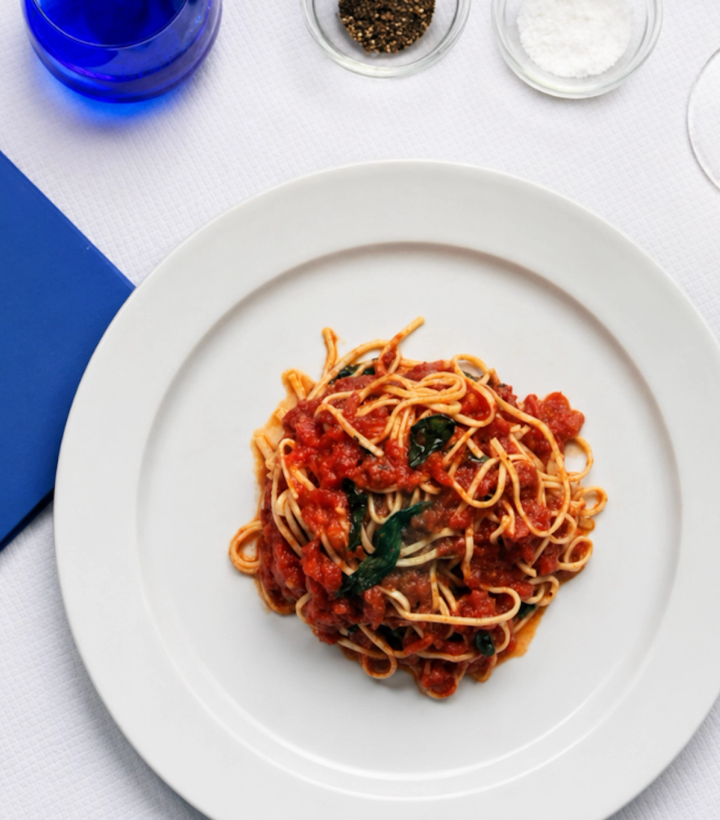
Three decades hasn’t dented Ruth’s fondness for pappa al pomodoro or spaghetti al vongole, but it’s helped bend the arc of the industry towards equality. In 1977, Ruth rang her laundry, detailing how ill-fitting her pants were, only for them to say: “Get real, Ruthy, these are made for men!”” Now, in her restaurant, at least 50% of chefs are women, whose pilgrimages to Italy blend new tricks with old-fashioned recipes. Ruth describes the menu as “a language that we’ve cooked in for 30 years”; in language as in cooking, simple is sometimes the most effective. Ruth welcomed Semaine inside, giving us a glimpse of the day-to-day, and a taste of that trademark, simple, tomato sauce.

Listen
Gallery


Store
Travel
Digest

"Ludwig Mies van der Rohe (1886-1969) is a leading figure in twentieth-century architecture. This book is a unique document of his philosophy of architecture, his way of working and his rigorous teaching methodology."
Mies Van Der Rohe at Work by Peter Carter

"The edition of this book focuses more than ever on the managing process, both within and between organisations and such 'soft' issues such as managing creativity and imagination."
Readings in Managerial Psychology by Harold J. Leavitt

"A look at the work of German Artist Andreas Gursky from 1980-2008; an encyclopaedia of sorts."
Andreas Gursky: Works 80-08 by Martin Hentschel

"This publication is an examination into the psychology of compliance, combining narrative style and scholarly research."
Influence: Science and Practice by Robert B. Cialdini

"Resurrection, translated from Russian, is an intimate, psychological tale of guilt, anger and forgiveness. After serving on the jury at a murder trial, Prince Dmitri Nekhlyudov sees the prisoner, a woman he once seduced."
Resurrection by Leo Tolstoy

"The definitive work concerning Warren Buffett and intelligent investment philosophy, this is a collection of Buffett's letters to the shareholders of Berkshire Hathaway written over the past few decades."
The Essays of Warren Buffett: Lessons for Corporate America by Warren Buffett

"Translated from French, The Fall is a philosophical novel charting one man's fall from a model citizen and lawyer to a man riddled with self-loathing and alienation from society. An exposure of the absurdities within the human condition."