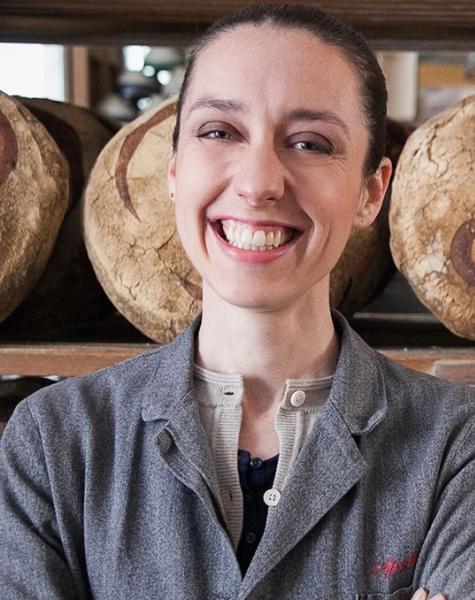



Mashama Bailey & Johno Morisano
a celebrated chef redefining Southern cuisine through heritage, storytelling, and fearless creativity.
- Boutique 8
- Apprendre 1
- Guide 12
- Événements 0
Read The Story

“The food that really motivated me to start becoming a chef in the first place was the food that I ate at home growing up.”
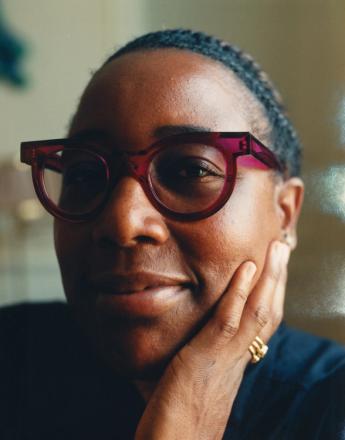
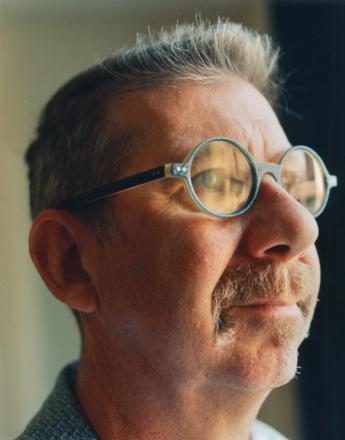
Acclaimed chef Mashama Bailey cleans her pink reading glasses, as her business partner, restaurateur Johno Morisano, slides into a very dapper light blue suit jacket. The two prepare for our interview, which we record in Johno's apartment in the 7th arrondissement of Paris. It is one of the hottest days ever recorded in French history, and I wonder how we will all not faint within the next hour.Thankfully, Americans love their air con. I have never appreciated this fact more than in that moment: 1pm on a Wednesday, pushing 40 degrees. Johno's chic living room is a cool and quiet oasis amid the melting city.

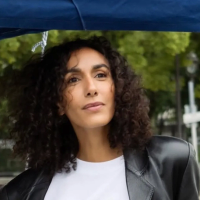
Mashama settles onto the cream-colored sofa and adjusts the clip-on mic on her long dress — no assistance needed. "This is not my first rodeo," she says smiling. It really isn't. Mashama filmed 12 days for Netflix' Chef's Table Season 6 (as the first Black chef), she won not one, but two James Beard Awards — basically the Oscars of gastronomy — and was named one of TIME's 100 Most Influential People of 2026. None other than former Vice President Kamala Harris herself provided the tribute essay for that achievement, writing that "Mashama has broken many barriers in her career." Mashama Bailey's ride is outstanding.
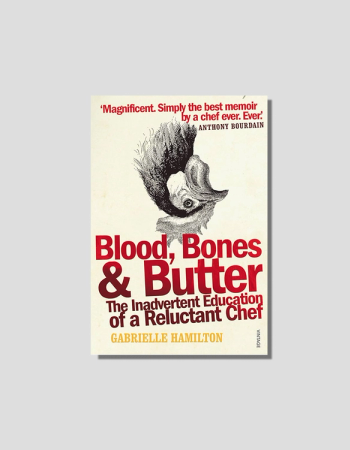
But every rodeo has a first. When she and restaurateur Johno Morisano met, neither of them had owned a restaurant before. Johno, who had previously worked in the media startup scene, had built up his knowledge of hospitality through years of traveling and eating out with his wife. He knew exactly how he wanted the guest experience to feel. Mashama was in her late 30s, working as a sous-chef in New York City at Prune, under Gabrielle Hamilton, an early mentor. "Gabrielle was the first female chef I ever worked for. She was super respectful. I realized how toxic a lot of my work environments were prior to her and how much I took a lot of that toxicity on. I knew I didn't want to go back into those types of kitchens." So when the opportunity came up, it felt like the right moment to leave her comfort zone, go out on her own, and grow as a chef — to open a restaurant with Johno.

The only downside: it was in Savannah, Georgia. Mashama had not planned on returning to the place where she spent parts of childhood, before her family’s move to New York City. Fatefully, however, it was in the South where her core memories of cooking were created and her love for food had been ignited — standing in the kitchen with her grandmother, cooking her iconic cornbread and spaghetti with cheddar cheese. "Really random,” Mashama says, "but very delicious." Country pasta, they would call it. "The food that really motivated me to start becoming a chef in the first place was the food that I ate in the home growing up."
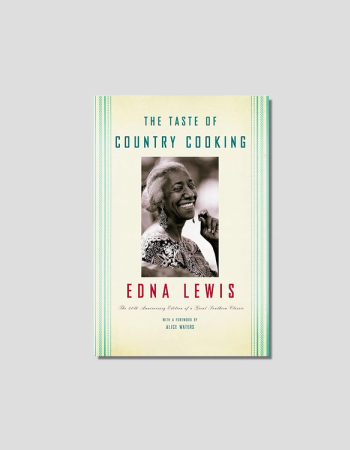
Coming up as a Chef, Mashama says, there was no platform for an African American woman to see herself in a higher echelon kitchen. So when she set out on the quest to find the taste of the new restaurant, she also found her way back to those earliest culinary impressions that had shaped her — and she found Edna Lewis. The renowned pioneer African American chef who would become Mashama's culinary beacon. Lewis was the chef and partner of bohemian hotspot Café Nicholson in 1950s Manhattan, frequented by the likes of Marlon Brando, Eleanor Roosevelt and Diana Vreeland. In the 1970s she started publishing cookbooks, “reviving the nearly forgotten genre of refined Southern cooking,” as the New York Times described it.

Today, Mashama is the chairwoman of the Edna Lewis Foundation, which provides culinary programming, scholarships and training to create opportunities for African Americans in the fields of cooking, agriculture, food studies and storytelling. While finding her own voice as a culinary storyteller, Mashama learned to shut out the outside noise and focus purely on who she was and what she liked. It's not always about reinventing the wheel — but just sticking to what you have to say. "Port City Southern" was born. A culinary direction allowing Mashama to blend her New York sensibility with her Southern roots, to create a fresh take on what she lovingly calls "Grandma Cooking" — one-pot cookery, with seasonal ingredients and regional produce of the South, the original farm-to-table lifestyle. Fried okra, grilled chicken skewers, black-eyed pea fritters.
“Having disagreements, fucking up, all those things are just a natural part of the process.”
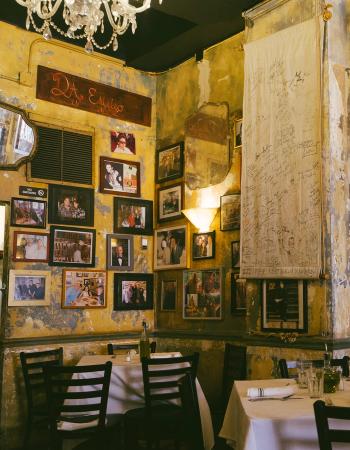
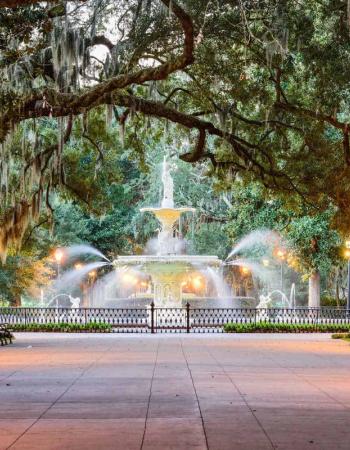
Mashama and Johno opened their Savannah restaurant in a Jim Crow-era Greyhound bus terminal and named it The Grey. In a place where Mashama's family members would not have been able to walk freely, Mashama became an executive chef and trailblazer for Southern cooking. The Grey was named Restaurant of the Year by Eater in 2017 and one of TIME's greatest places.
Now, the duo looks back on more than a decade of working together, and you can tell that — as with any substantial partnership — they too had to navigate their share of growing pains.

“It took us a few years to just learn how to do our jobs. And then it took us a few years to learn how to work together and to listen to each other,” Mashama reflects. “Sometimes we're on the same page and sometimes we're not. But ultimately, we want the same thing. We want a successful business. We want to grow a strong team in order for them to be proud of the business that they're running.” Like in any strong partnership, they have a counterbalancing dynamic — yin and yang principle.“You can't really have a successfully growing enterprise if everybody shares the same point of view,” Johno adds. “Having disagreements, fucking up, all those things are just a natural part of the process. We're both exceptionally flawed people at the same time that we try really hard.”
Mashama and Johno are dog people. The logo of their overarching company Grey Spaces is a greyhound. Two cast iron greyhounds flank the fireplace in Johno's apartment — and after not wanting to get the same dogs as Johno (Rhodesian Ridgebacks), Mashama, allegedly by pure coincidence, became a dog mom of, can you believe it, two greyhounds: three-legged Daisy (a rescue from the racetrack) and Duke.
The Grey has now been thriving for over a decade. Under Grey Spaces, they opened their second restaurant in Paris in 2025 and have two more forthcoming on the US East Coast in fall 2026. “Southern food on the move,” as they call it.

“Welcome strangers as friends.”
Mashama, who completed part of her culinary education in Bordeaux, explains that it was opening L'Arrêt in Paris that made it once again apparent just how much of a melting pot American cuisine truly is. This is why it is so hard to define. So many cultures have shaped it, cooking with the same ingredients but in their own ways: from the Native Americans, the enslaved African Americans, to the French settlers of Louisiana — and now, 250 years after the birth of the United States of America, that same humble little pancake can be a hoecake, a bellini, or a crêpe. But it all came from the same starting point.
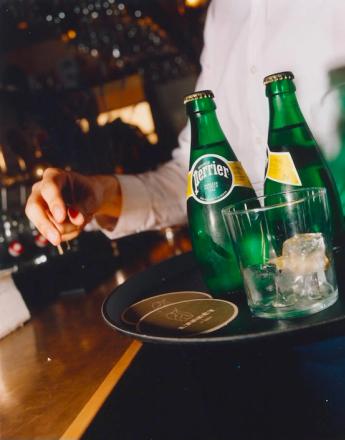
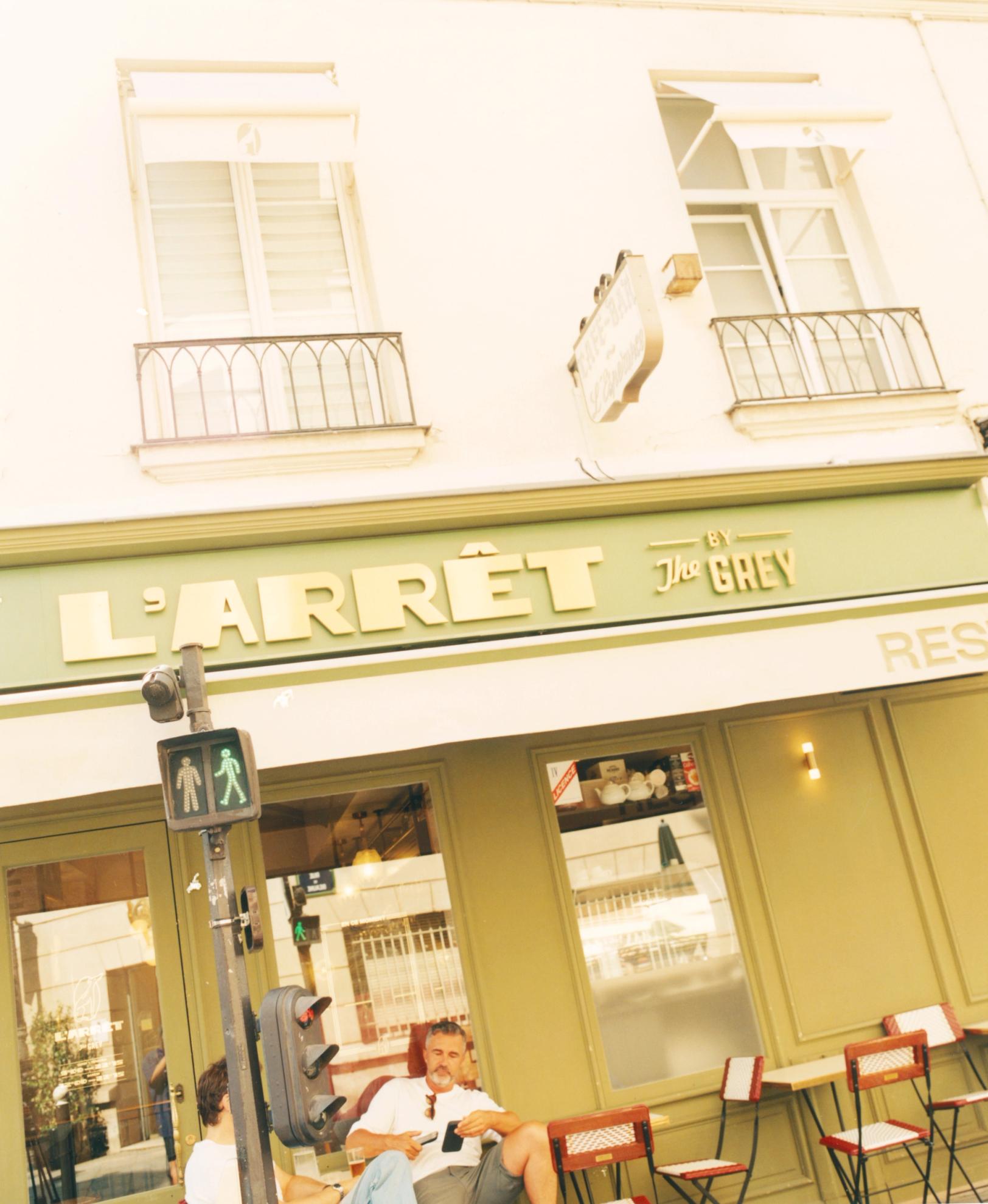
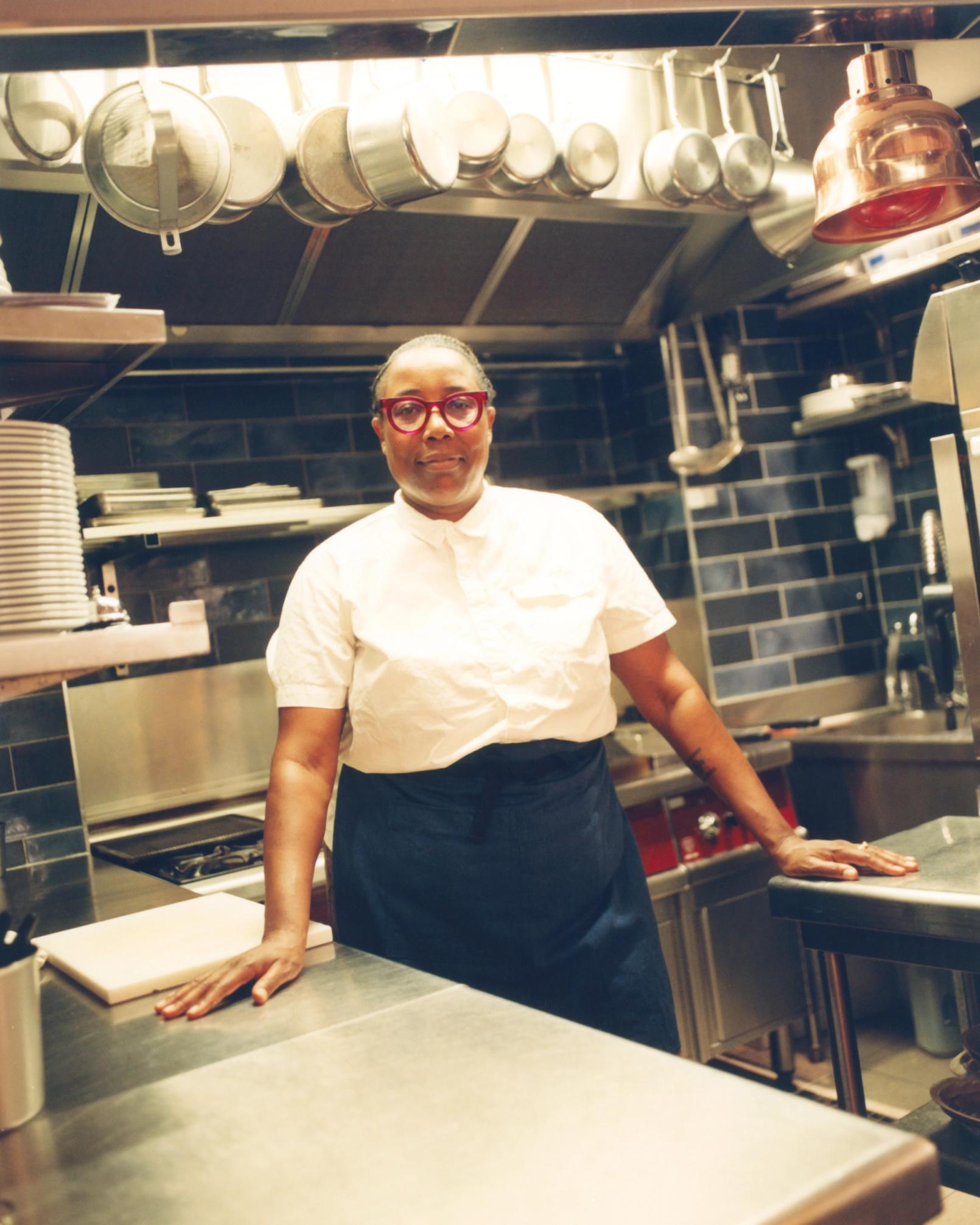
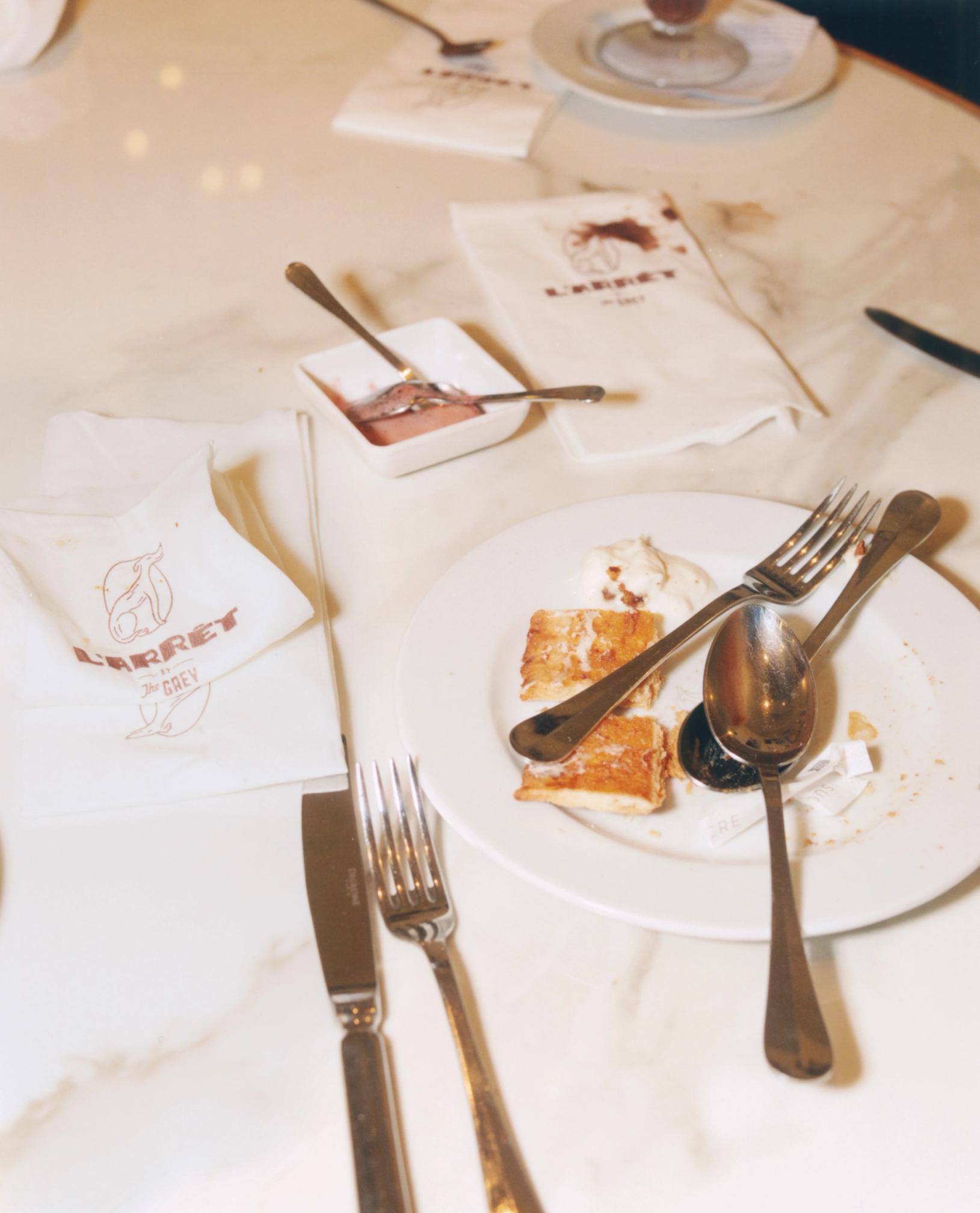
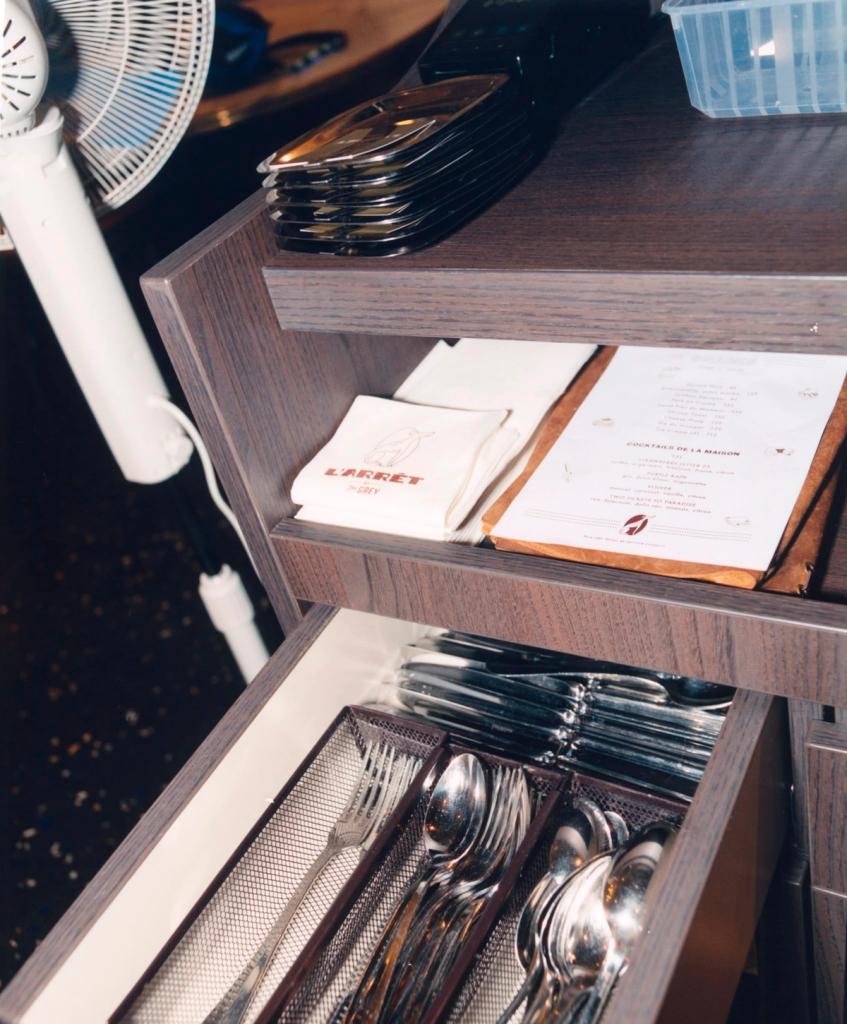
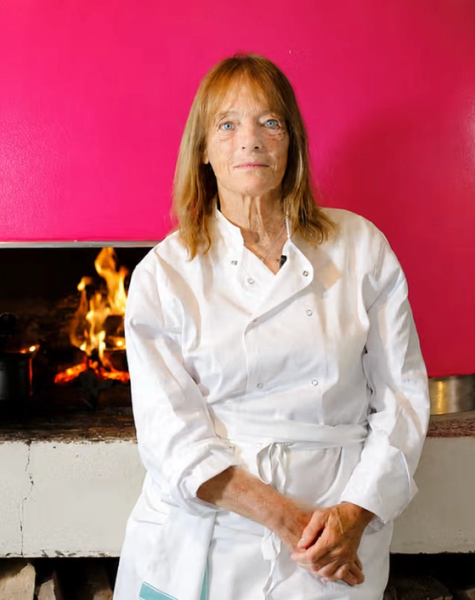
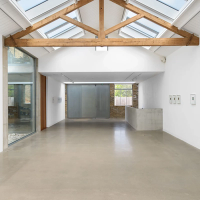
We leave Johno's apartment to make the three-minute walk over to L'Arrêt. It is burning hot outside. The restaurant sits on the corner of a quiet street in the 7th arrondissement. As soon as we enter, it's as if Mashama and Johno suddenly transform into new versions of themselves. Johno takes off the jacket, revealing his tattooed arms. He immediately goes behind the bar, making us coffee, chatting with the staff. Mashama changes out of her black dress into her chef whites, moving fluidly in her natural habitat.
They tell me that the underlying theme of Grey Spaces is to "welcome strangers as friends." They want to create community and bring people together who may be different but find their common ground at the table. Just like Mashama and Johno experienced in their own relationship.

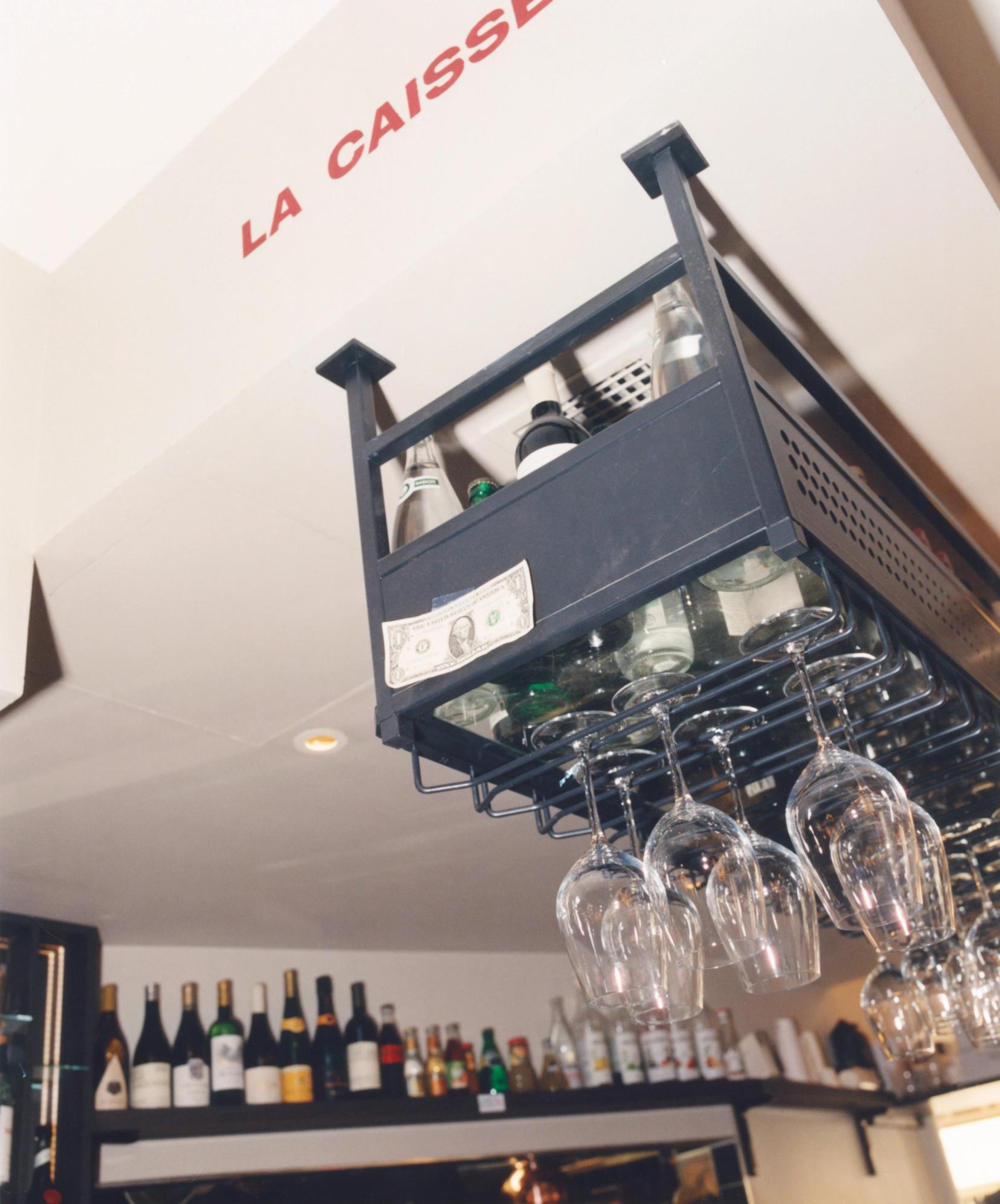
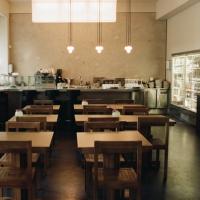
In their restaurants they intentionally place the tables very close together — which not every guest is a fan of, and will make sure to let them know in a review — to create connection between everyone in the room, from the guests to the servers. “Radical Hospitality”, as they call it. They believe in creating spaces for the locals. L'Arrêt is a “bistro de quartier” — they are there for the neighborhood. It was only natural that they chose the 7th as the location of their new Paris venture, a neighborhood that Johno and his wife have called home for many decades. They even knew Cécile, the previous owner of the space personally.
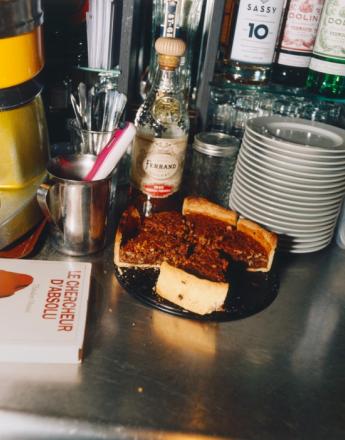
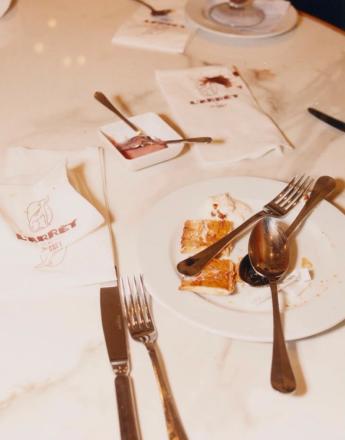
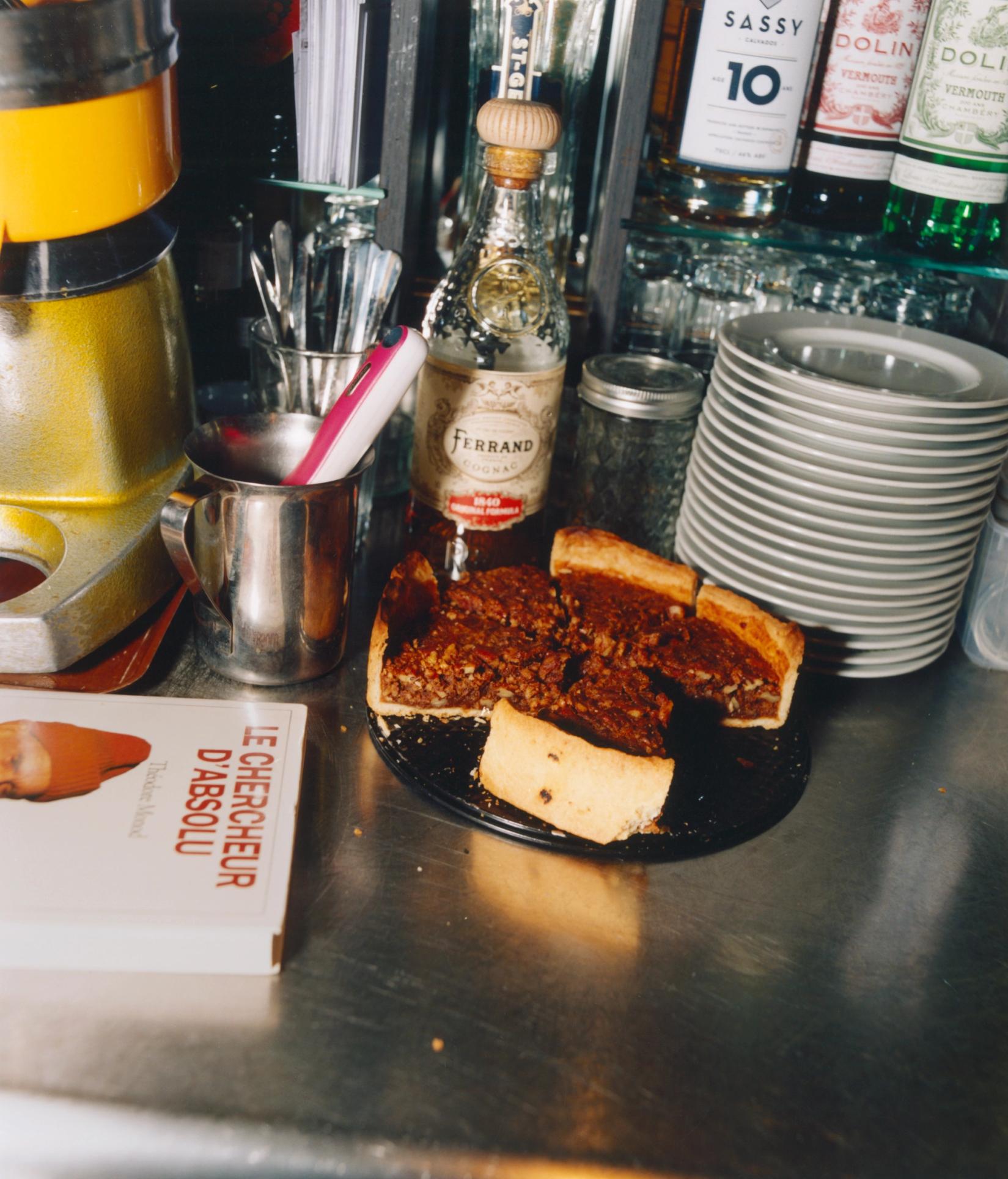
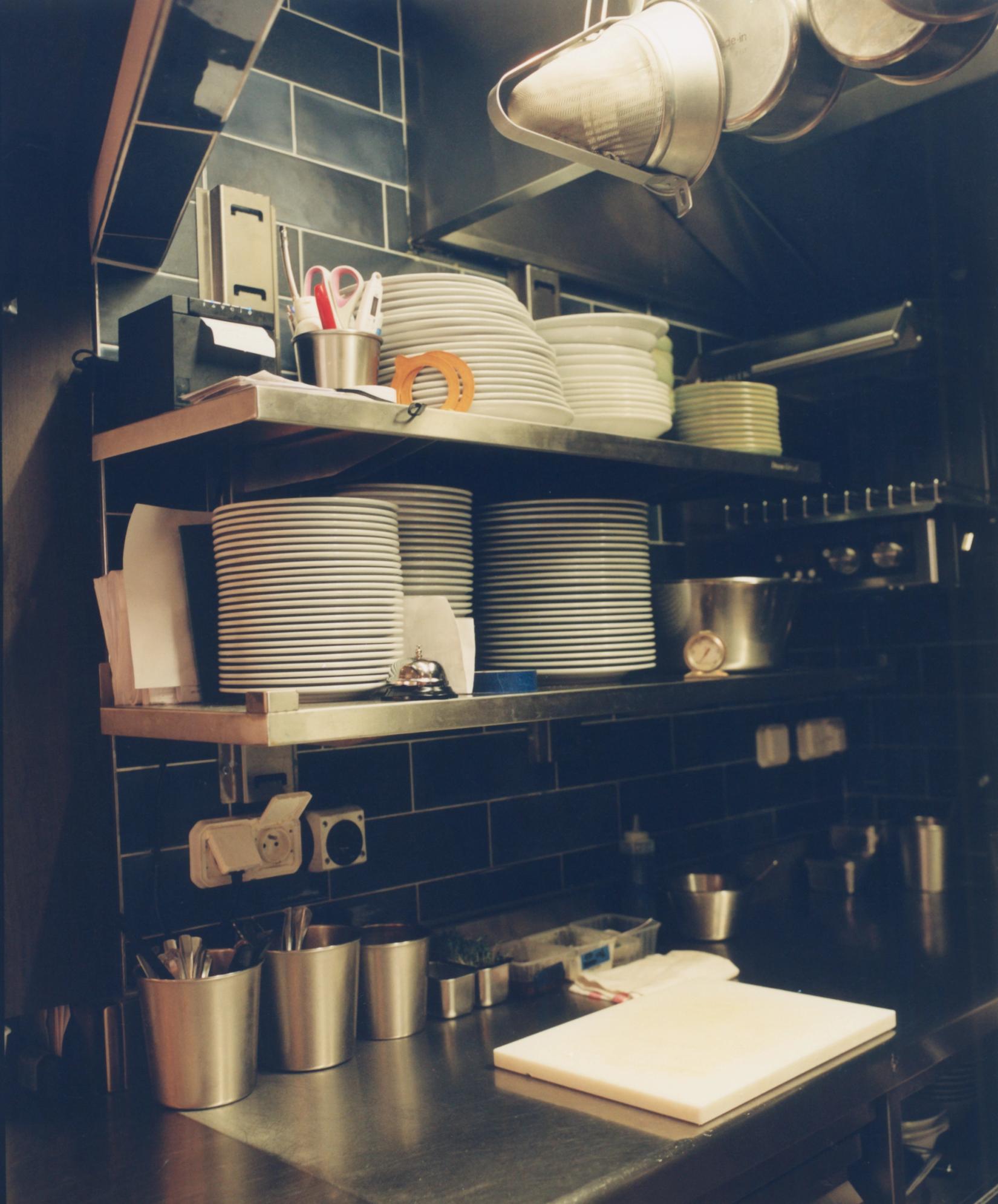
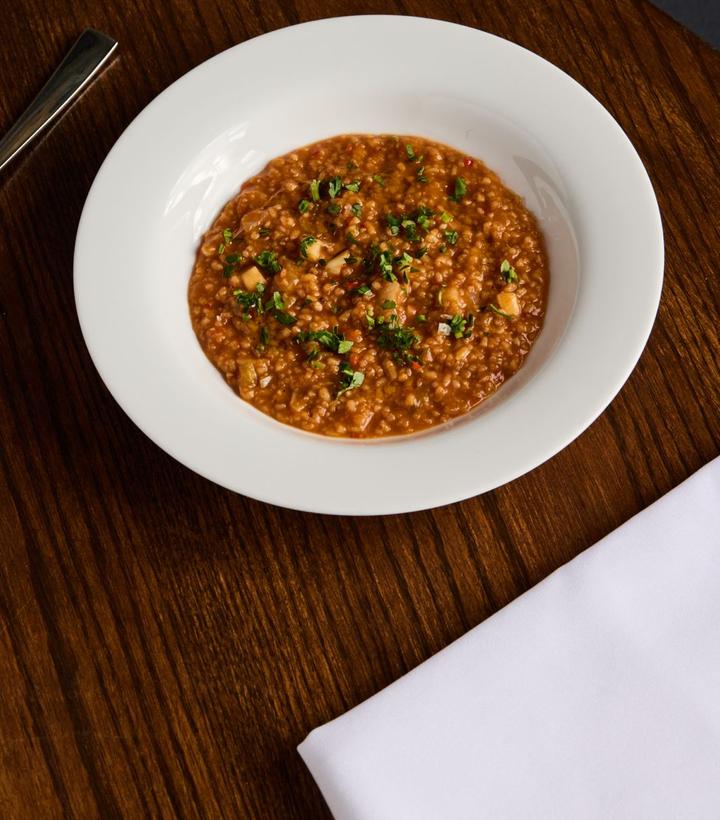
When they opened in 2025, the building’s community did not love the blue exterior, so they changed it to a muted green. Now the kitchen tiles are still blue and don’t match the green facade. As the restaurateur, Johno "holds together the fort when it's crumbling around you", he says and excuses himself to hop on a few calls. Meanwhile, Mashama plates her grandmother's original cornbread. She only recently decided to put it on the menu. It took a lot of trial and error to recreate, before Mashama and her mother got it right. “Your grandmother didn’t write down the recipe?”"She didn’t. You’d have to be in the kitchen and watch her.” Mashama says.
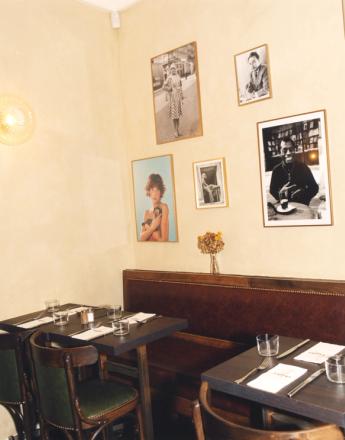
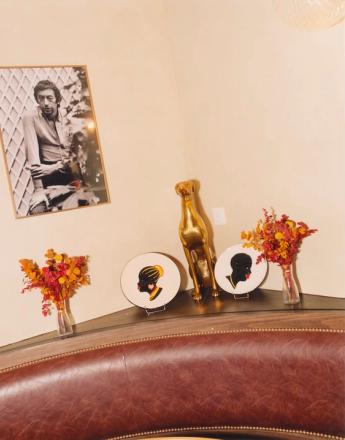
You can feel the warmth when she talks about her grandmother, who passed away in 2011. “What was her name?” I ask. Mashama looks up. "Her name was Geneva." A big smile across her face. She continues plating the cornbread dish.ss “This is how we remember Geneva West.” The lunch rush has subsided at L'Arrêt. On the wall there's a beautiful photo of Johno's dogs, Urchin and Anchovy, playing together — alongside framed photos of James Baldwin and Louis Armstrong. I grab a matchbook from the bowl on the bar. They are the same shade of green as the exterior, and on the front is the greyhound logo of Grey Spaces. When you flip the matchbook open, it reads the famous Gil Scott-Heron lyric: "This revolution will not be televised.” You'd have to be there and watch.
Listen
Gallery