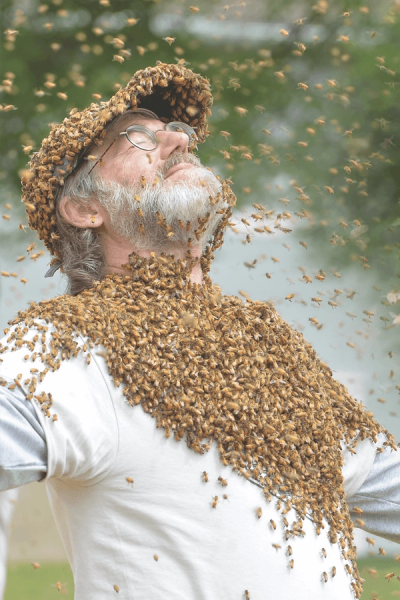


Paul Stamets
mycologist, author, and the man who believes fungi can save the world.
- Boutique 7
- Apprendre 1
- Guide 5
- Événements 0
Straight from the godfather of fungi, Paul Stamets recounts his three decades in mycology and its significance in how it can save us once again.
Read the Story
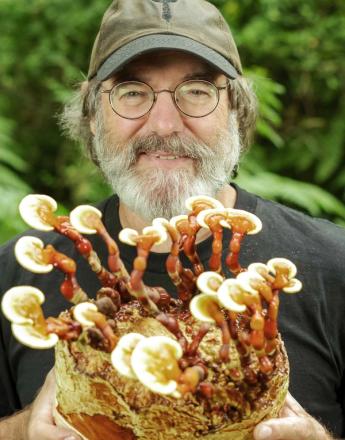
“I believe mycelium is aware of our presence.”

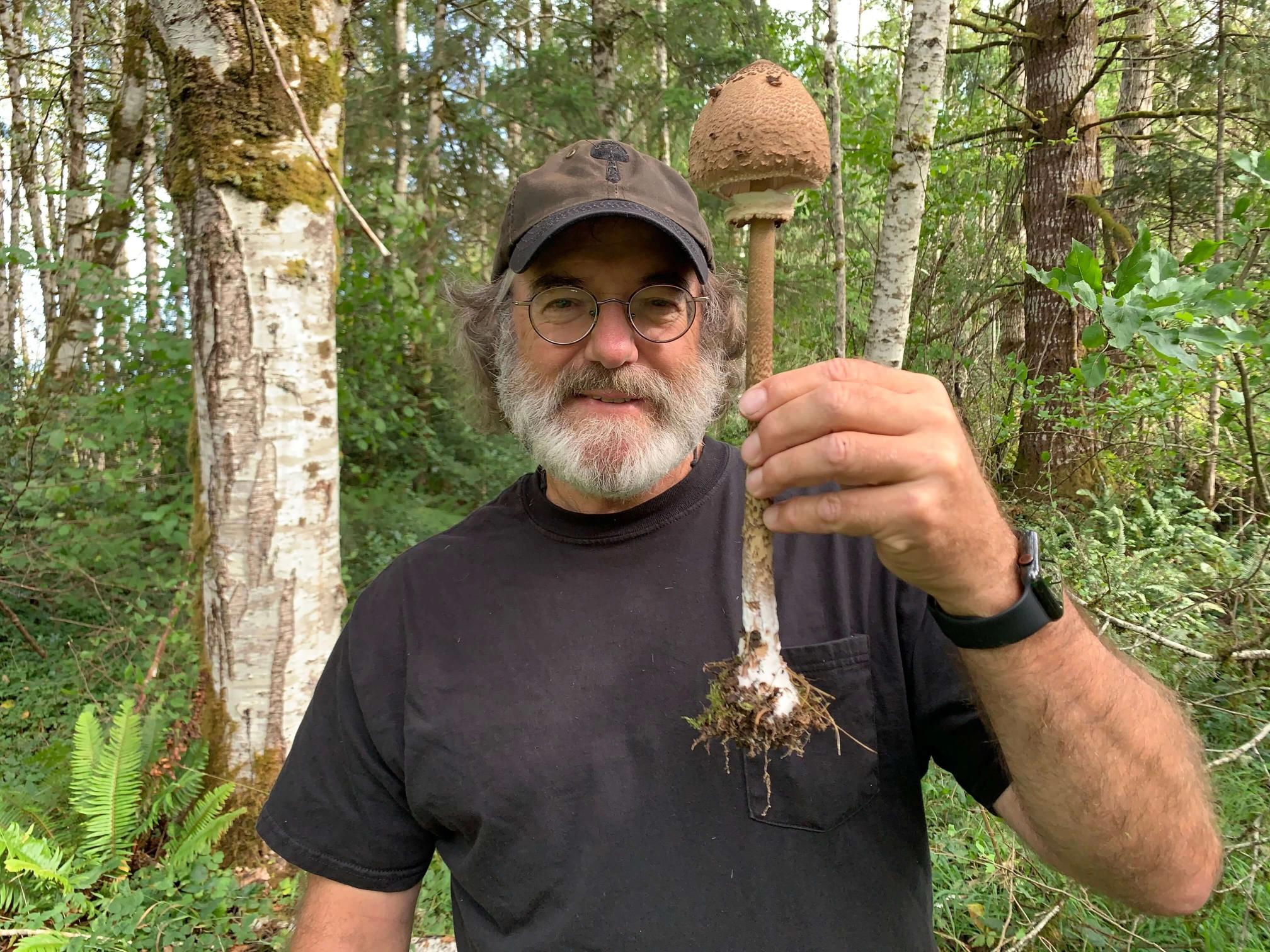
Mould has saved us once, and could do so again. Paul Stamets knows this more than any. The godfather of plants and fungi, his three decades in mycology trace a search that dates back 650 million years (Paul loves to deadpan that fungi are “our ancestors”). Fungi are world-builders, and Paul’s life has been devoted to their architecture. Most of these worlds lie beneath our feet, housed in what Paul lovingly described to Semaine via Zoom as “libraries of microdiversity.” Climate change, and the spectre of COVID-19, drove more interest than ever to Paul’s cause; he’s said before he’s “saving the world, one hypha at a time.” (Hyphae are the long, branching filaments that make up the mycelium; the airy, vegetative string of fungus).

“One sometimes finds what one is not looking for,” Alexander Fleming told of his accidental discovery of the life-saving mould that became penicillin. Paul, then, as perhaps the world’s most famous mycologist has had a life of happy discovery. Renowned for his TED talk, 6 Ways Mushrooms Can Save the World, he calls mushrooms “miniature pharmaceutical factories.”
“We’re the greatest walking catastrophe on this planet,” Paul told Semaine, “I believe mycelium is aware of our presence. When we walk through the ecosystem we are resonating on these networks. If you walk through the woods and you break a stick, after you walk by, the mycelium reaches up to grab those new nutrients. The mycelium rises up and follows our path. Mycelium is chasing after us.”

It’s a science that may yet transform us. The many tendrils of the health industry act like fungi themselves; branching into sources unknown to turn them into a form of nourishment. Wellness and mycology are natural bedfellows; we humans, after all, share half of our DNA in common with mushrooms. This was the premise for Fantastic Fungi (tagline: the magic beneath us) the 2019 documentary premised on Paul’s book of the same name. But are these fungi truly fantastic, or just fantastical?
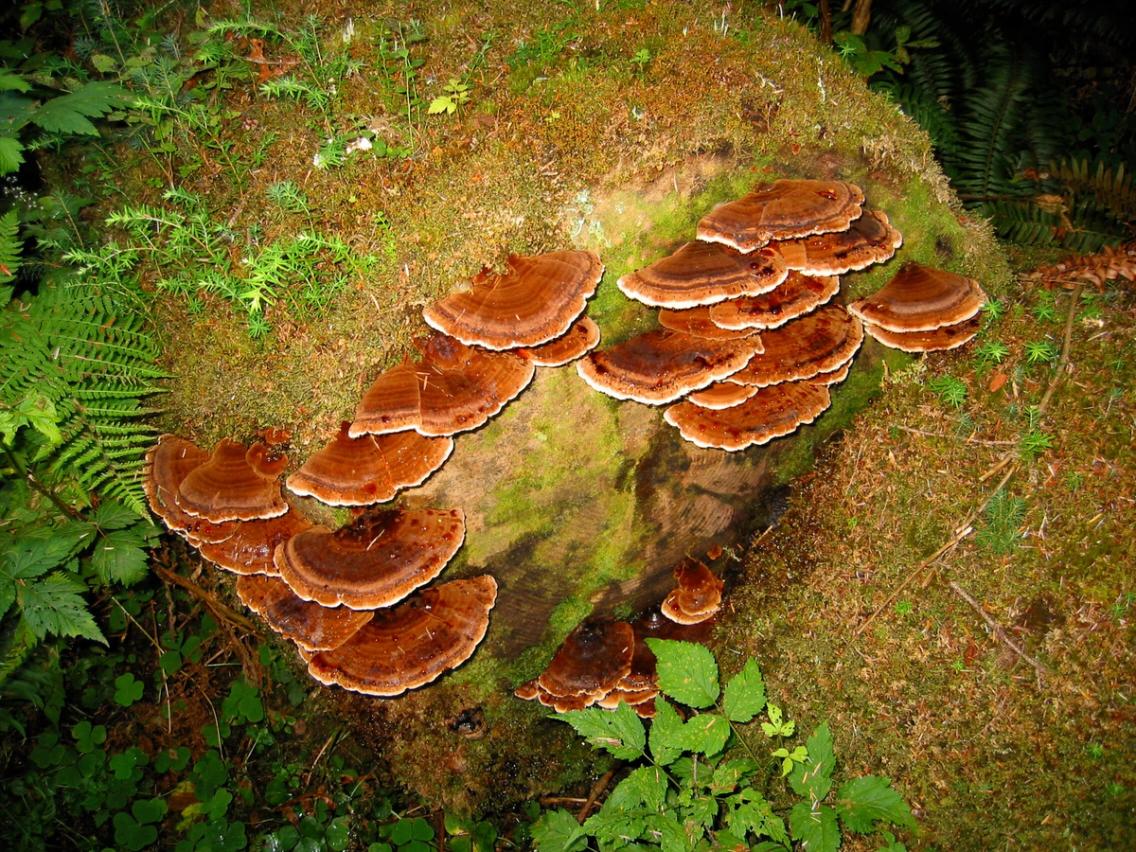
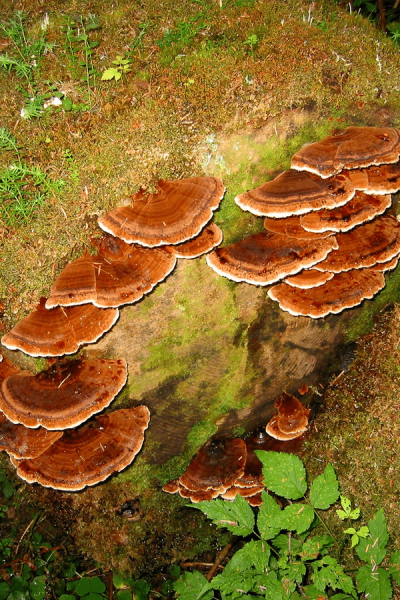
“There are numerous fungi that support immunity. The most well-studied is turkey tail. Reishi is a very popular mushroom, with its properties for enhancing immune-readiness.” Paul insists: “Everyone must do a spiritual dose of psilocybin mushrooms: the answer to this question will then become obvious and resident within the shared body-intellect of us all.”
A John Hopkins study using high volumes of psilocybin in patients with major depression resistant to existing depression found significant benefits.

“We have benefited from all these ethnicities bringing their specialised knowledge of wild mushrooms into our common culture.”
Roland Griffiths, the Professor of the Department of Psychiatry and Neuroscience behind the study, found: “really huge, rapid and substantial decreases in depressive symptomatology, after giving psilocybin on two sessions, this is done at about a two-week interval between the sessions.” These developments show Western medicine playing catch-up, not only to mycologists such as Paul, but to inherited wisdom of other cultures.
Paul says: “The use of mushrooms by indigenous peoples, by Eastern Europeans, Russians, and Asians and others that realise how important they are. We have benefited from all these ethnicities bringing their specialised knowledge of wild mushrooms into our common culture.” We now know that plants talk to each other using their mycellium, that fungus is a kind of information superhighway and is basically the vegetable internet.

This Avatar-like phenomenon was discovered by Paul, who found similarities between mycelia and Arpanet, the US Department of Defense’s earliest iteration of the internet. He was a student at the time, the 1970s, studying fungi under his electron microscope. It’s a discovery that has changed how we see the world, and our place in it.
It’s a journey of discovery that, for Paul, began early. Stamets remembers throwing puff balls at his twin brother, remembers the pull of psychedelics, that “mushrooms were, in a sense, a forbidden fruit.”
At 18, Paul took psychedelic mushrooms for the first time. Climbing up a tree, as one does, he found himself stuck. Thick sheets of rain started to scan before him. Thunder began to clap and roll in. Amid the tumult, a moment of calm and self-reflection washed over him. Until that point, Paul had been a lifelong stutterer, but in that moment, he bid himself to stop. Since that day, he hasn’t stuttered since. The race to find a life-saving species of fungi is one against time, the counting clocks not only of our own lives, but of the very planet.

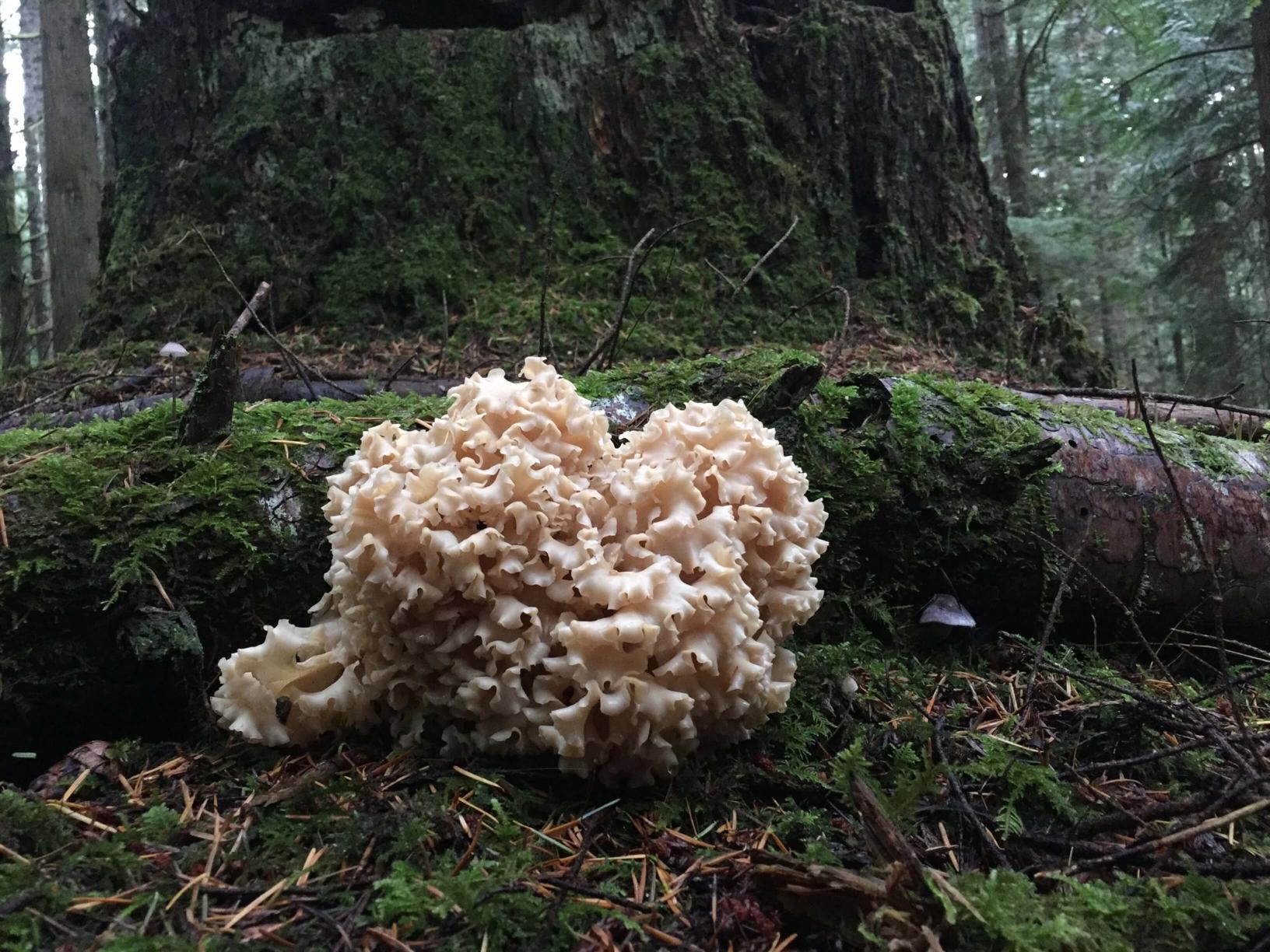
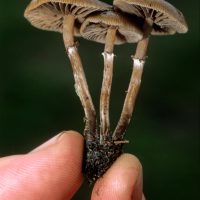
We are linked, hypha to hypha: “There are different tipping points throughout history. We are losing libraries of microdiversity. What’s more important, the lives that could be saved, or the boards of timber? It’s that sort of a contrast.” At one point in our call, Paul proudly shows an agarikon (“It’s got a little butt back here, it’s kind of cute.“)
It looks like an alien totem, or a fatberg, or even a little bit like a Rachel Whiteread sculpture. Paul beams as he handles it. You get the sense it’s about more, even more, than the discovery of the networks underneath us, the anti-inflammatory properties of the fungi, their mysteries. It’s about their beauty. “This mushroom,” he says, “It’s important.”
By Jonathan Mahon-Heap for Semaine.
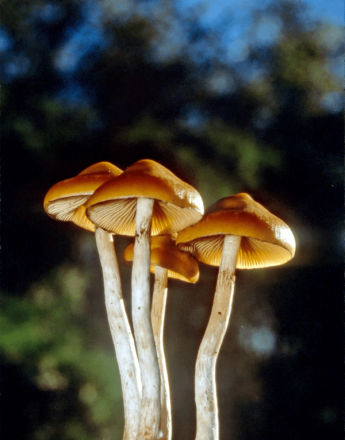
Images by Paul Stamets.

Galllery


Store
Travel

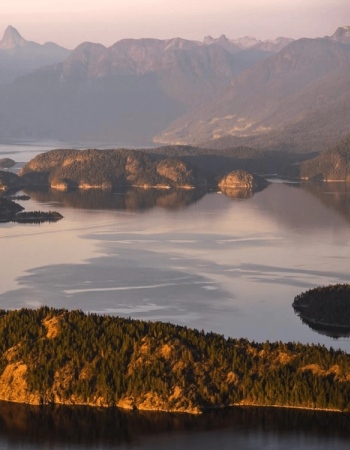
"Mountains, islands, inlets, whales, BIG NATURE."
Desolation Sound
British Columbia, Canada
Northern end of Salish Sea and of the Sunshine Coast in British Columbia, Canada

"The road is closed so it is about 11 miles in, but you can bike in (electric bikes allowed) however many traverses over trees, ravines, etc. but SO worth it. There are seven hot springs."
Olympic Hot Springs
Washington, Etats Unis
Olympic National Park, Washington, United States

"Coast of California, Highway 101. Walk out the wharf to end at the boathouse, start a fire, and enjoy."
Nick's Cove Café
California, United States
23240 CA-1 Marshall CA 94940, United States
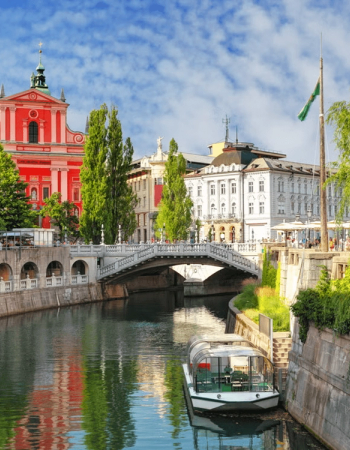
"In October, the town square is full of vendors selling porcini, shrimp, chanterelles, hedgehogs, truffles. Wonderful and delicious."
Ljubljana
Ljubljana, la Slovénie
Slovenia

"Great storm watching, lots of porcinis in the sand dune and pines. And other mushrooms too!"
West Coast Beaches
Washington, Etats Unis
West Coast Beaches, Longview, Washington, United States
Digest
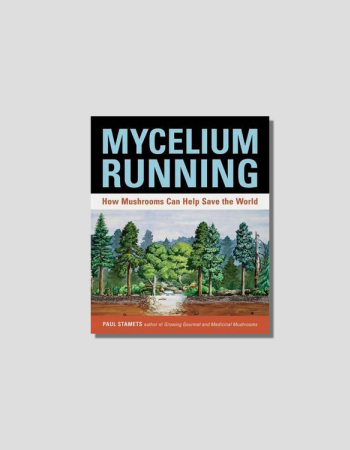
"Great overview on the importance/impact of fungi from the past into our common future."
Fantastic Fungi directed by Louie Schwartzberg

"Great music for journeying."
Desert Dwellers on Spotify
"Spiritual female presence."
Yaima on Apple Music

"So much a part of my inspiration and great people."
American Beauty studio album by Grateful Dead

"Timeless, heartfelt, deeply sentimental."