






Kengo Kuma
the Japanese architect who builds as if nature is always the client.
- Store 8
- Learn 0
- Travel 5
- Event 0
“When I was 10, I saw the Olympic Stadium in Tokyo by Kenzo Tange. That is the moment I decided I wanted to be an architect. Since this moment, architecture has evolved me everyday of my life.”
Read the Story
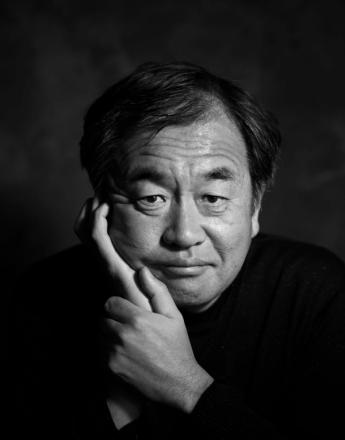
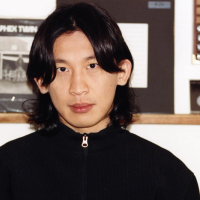
Kengo Kuma

“I don’t think that it is necessary to change form in each age”
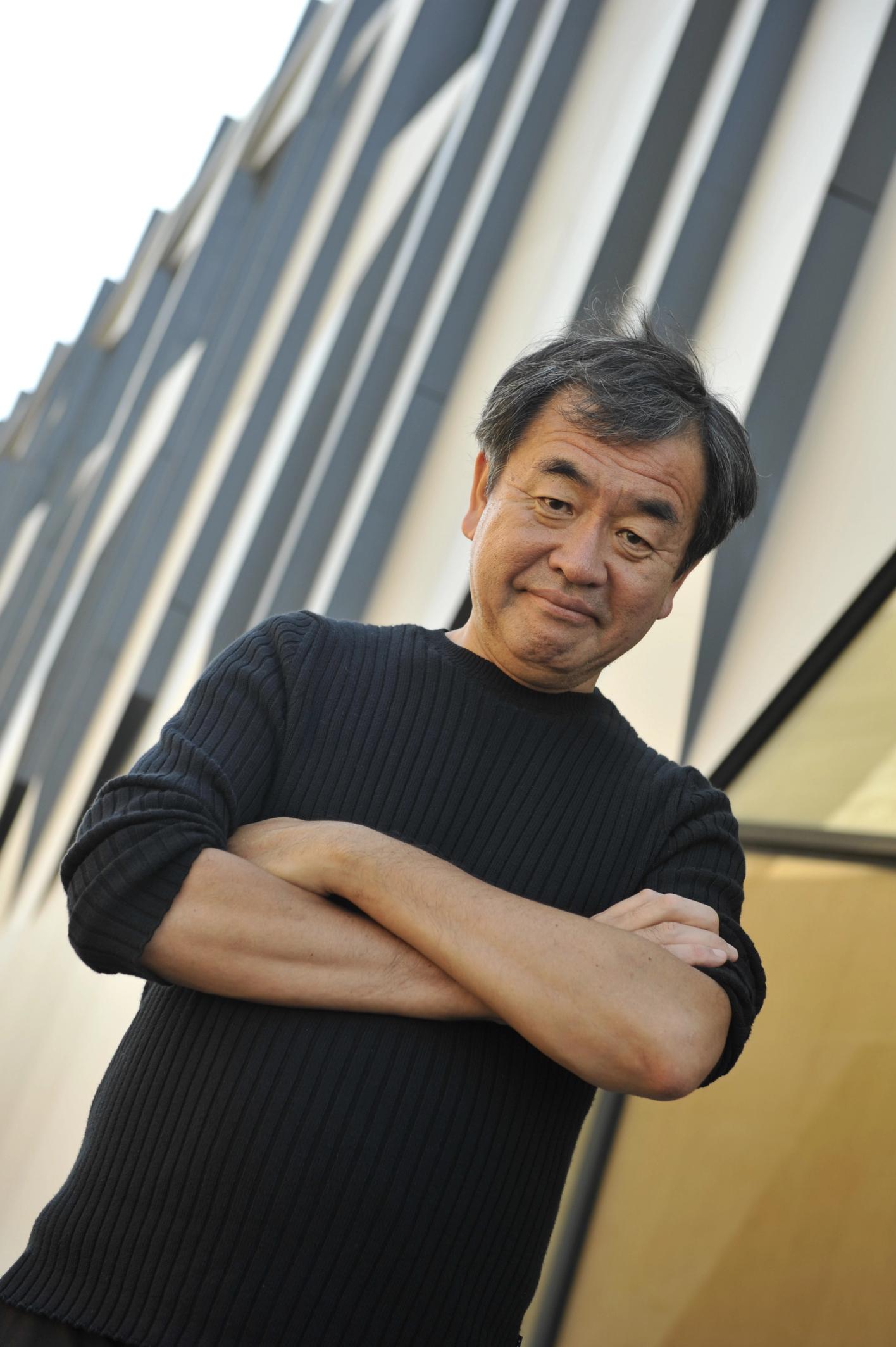
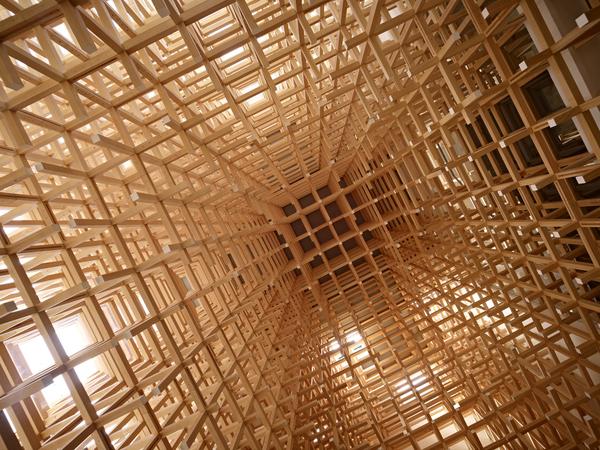
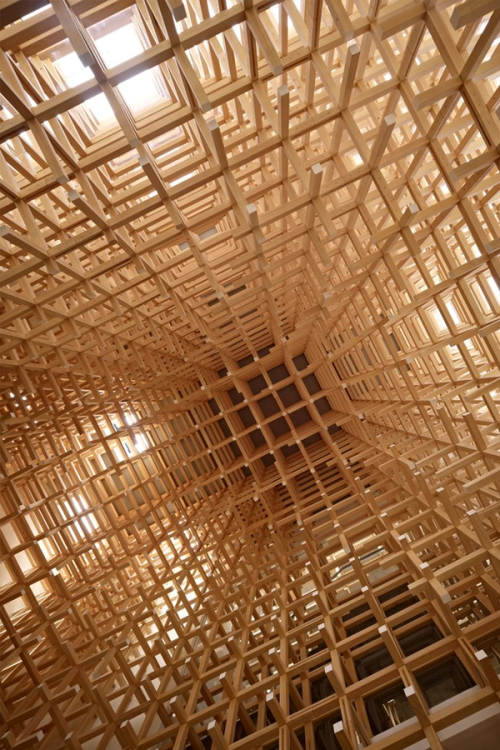
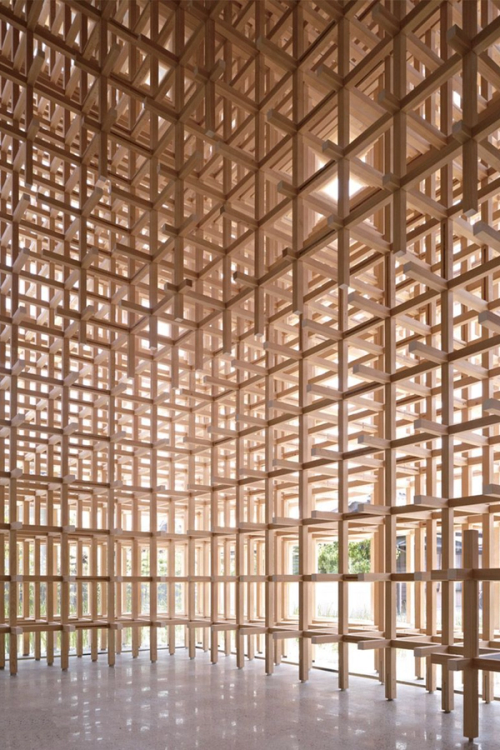
Forests sprawl over ninety percent of Yusuhara’s landscape, the mountainous Japanese town in Kochi prefecture, home to just over 3000 people. Its stacked rice fields, the Senmaida of Kanzaiko, were described by writer Ryotaro Shiba on his visit as “an inheritance not to fall behind the Great Wall of China”. But, Yusuhara, hugged by the forests and close to the skies (its nickname is “Town Above the Clouds”) has many more inheritances. It is home to the delightful, experimental, and predominantly wooden structures of visionary modern Japanese architect Kengo Kuma.
Kengo’s mighty structures redefined Japanese architecture. But don’t put it to him that way. “I don’t think that it is necessary to change form in each age”, Kengo told Semaine. An extraordinary statement for the Japanese architect whose designs, ones alive to their environment, ones that arrive to fanfare in Japan, ones that do what the best of architecture does, which is to induct awe and bend the arc of history, end forms and movements like a period. Kengo clearly rejects Bauhaus architect Hannes Meyer’s assertion that “Each age demands its own form.” Nothing so dogmatic or prescribed maps the biography of Kengo’s work.
The spectacle, such as it is, of a Kengo Kuma artifice accumulates in the relationship between form, function, and nature. The way the landscape hugs the structure, the way his humility allows for a kind of grace to flow in into the objects; it is as though Kengo suffuses the space, his modesty as a person flowing into his practice. We asked Kengo what, to him, the meaning of good taste was: “Humility”.
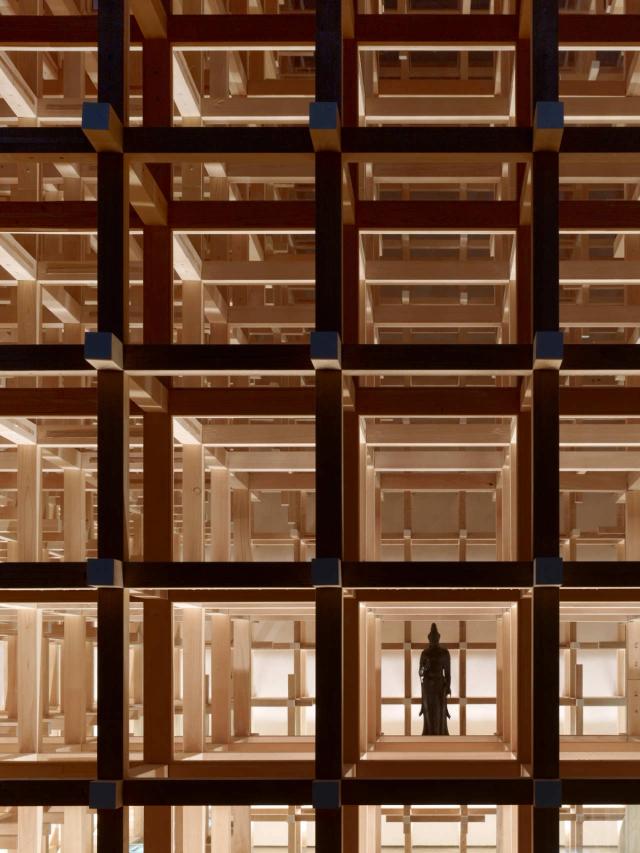
Kengo’s aesthetic—incorporating ancient materials, freethinking in its simplicity, praising the osmotic boundaries of interior and exterior—is applied as much to monuments of cultural import to cultural oddities.
“When I was 10, I saw the Olympic Stadium in Tokyo by Kenzo Tange. That is the moment I decided I wanted to be an architect. Since this moment, architecture has evolved me everyday of my life.”
The Asakusa Culture Tourist Information Center in Tokyo, his experimental, 148-foot-long cedar Wooden Bridge Museum (in Yusuhara), but also those of his latticed cypress forms, housing a pineapple cakeshop in the Tokyo neighbourhood of Minami-Aoyama, all these have furthered the vernacular of Japanese and world architecture.
Kengo’s romance with architecture, like all good love stories, begins with un coup de foudre. It is a rather simple story, one he can recite excellently, because he still adores the building—Kenzo Tange’s Yoyogi National Gymnasium, in Tokyo—so ardently: “When I was 10, I saw the Olympic Stadium in Tokyo by Kenzo Tange. That is the moment I decided I wanted to be an architect. Since this moment, architecture has evolved me everyday of my life.”
“The climate crisis has pushed my intuition, which is to design my architecture in wood.”
There is a deep wellspring of affection for Kengo in Japan. In some five decades as an architect, the unassuming author of his own timeless style, he best describes his efforts thus: “I am making a conscious effort to create something.” Founding his eponymous firm in Tokyo in 1990, Kengo had studied under architectural theorist Hiroshi Hara, with a fellowship at Columbia University under his belt. At the time, the yen was soaring, though beginning to feel the first shivers of mortality, postmodernism was dead (according, at least, to Kuma), and a fecund relationship thrived between Kengo and fellow modern architects was blooming.
It has been like this for Kengo, architecture following from life, but the vicissitudes of our modern world have upturned the definition of his trade: “The climate crisis has pushed my intuition, which is to design my architecture in wood.” It’s time. Reorganizing the principles of form in favor of environmental design, alight in his rural, prolific works in Yusuhara, Kengo’s elegant and modern buildings will always feel at home in their landscapes; whether we will follow, however, is another question: “To be honest, I want to forget about modern architecture….[In the future] People will go away from architecture, and go back to the field.”
By Jonathan Mahon-Heap for Semaine.
Images by Creative Commons.

Listen


Store
Travel

"To spend in the tent at the desert camping."
Sahara Desert
Sahara Desert, Morocco, Africa

"To take the hot spring bath in the field landscape"
Yufuin Onsen
Yufu, Ōita Prefecture, Japan
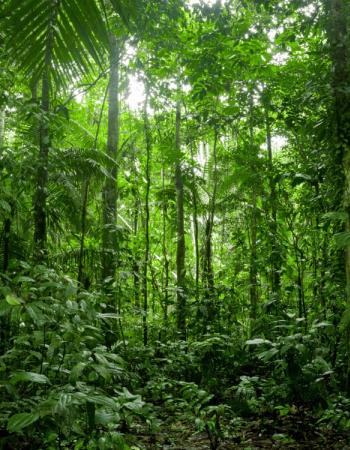
"Global climate change and increased deforestation will almost certainly result in higher temperatures and shifting rain patterns in the Amazon, threatening the region's forests, water availability, biodiversity, agriculture, and human health."
The Amazon Rainforest
The Amazon Rainforest, Brazil, South America

"The tour of Safari."
Safari Tour
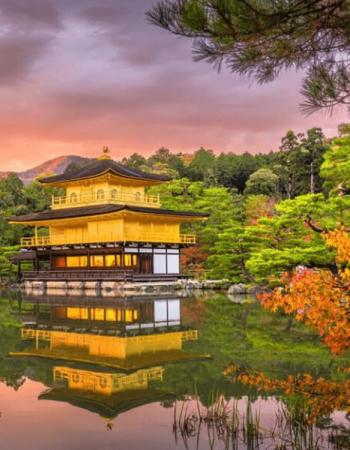
"To walk in the small street in the old town."
Kyoto, Japan
Kyoto, Japan
Kyoto, Japan
Digest

"I saw this when I was 12 years old, and felt for the first time "the emptiness of life."
Citizen Kane by Orson Welles

“Sophie Houdart who is the anthropologist wrote this book in working and observing at my office for one year. I discovered my way to work through this book.”
Une monographie décalée by Sophie Houdart
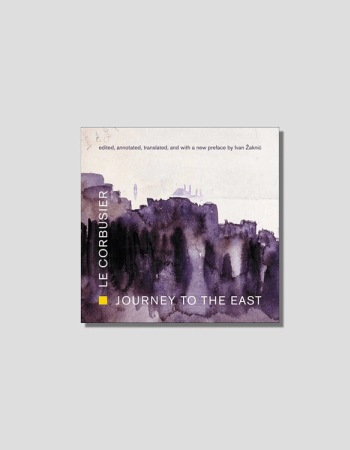
"This book taught me that Le Corbusier was not only the modernist architect but also had many influences from eastern culture."
Journey to the East by Le Corbusier

"This book taught me the substance of the Japanese traditional space design."
The Book of Tea by Okakura Tenshin

"This book taught me the way to use the light in space."
In Praise of Shadows by Junichiro Tanizaki

"This book influenced me to have envies to go to Africa. When I reached the Sahara Desert I got many hint from the African Village."
The Little Prince by Antoine de Saint Expupéry
Explore TasteMakers and TasteBreakers
- Alice Pilate
- Amanda Norgaard
- Ana Kraš
- Antonin
- Apollonia Poilâne
- Arman Naféei
- Athena Hewett
- Betony Vernon
- Cathrine Saks & Barbara Potts
- Charlotte Chesnais
- Claire Ptak
- Clara Luciani
- Daphne Javitch
- Dr Natazia Stolberg
- Dr Tara Swart
- Efe Cakarel
- Erchen Chang
- Francisco Costa
- Hans Ulrich Obrist
- James Massiah
- John Pawson
- Julia Restoin Roitfeld
- Laila Gohar
- Lauren Levinger & Amrit Tietz
- Lucia Pica
- Luke Edward Hall
- Max Rocha
- Natalia Criado
- Noemi & Benjamin
- Padma Lakshmi
- Paris Hilton
- Paris Starn
- Ryan Gander
- Sarah Ben Romdane
- Shivas Howard Brown
- Sky High Farm
- Tonya Papanikolov