

Clara Diez
a champion of artisan cheese whose work is changing the way we think about food, flavour, and craftsmanship.
Read

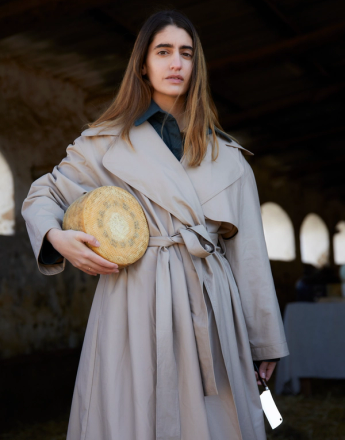
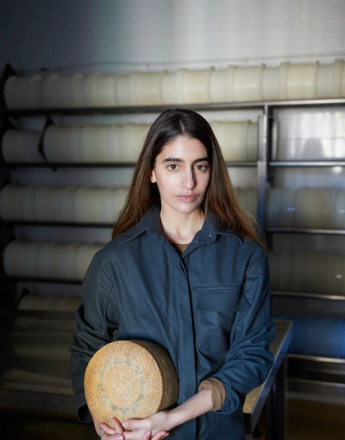
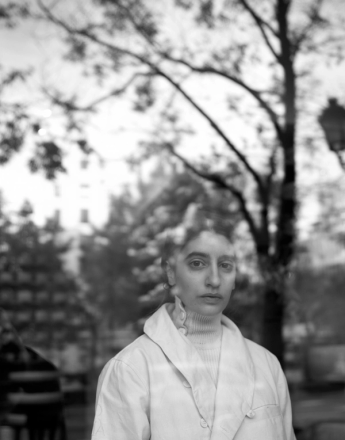
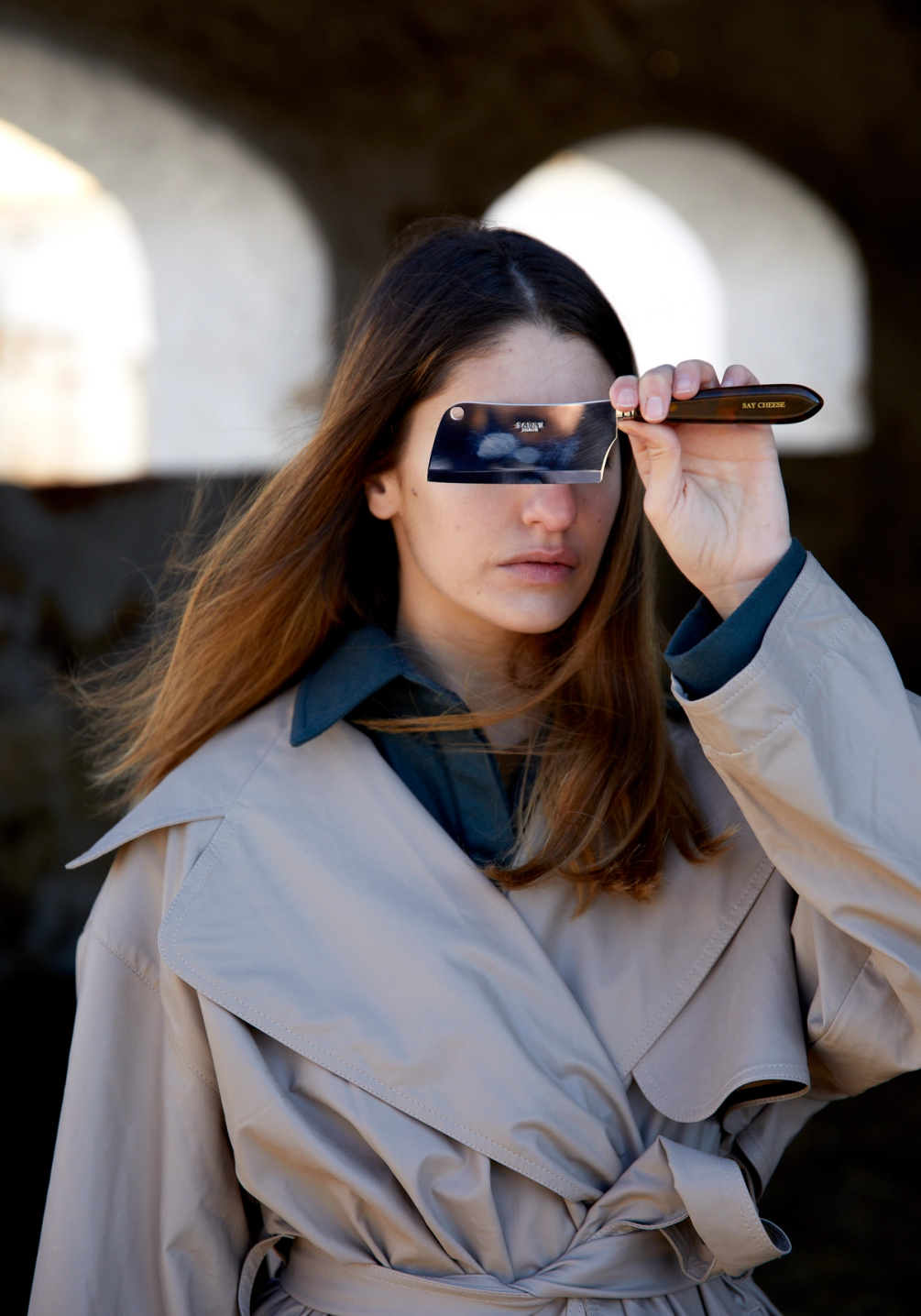
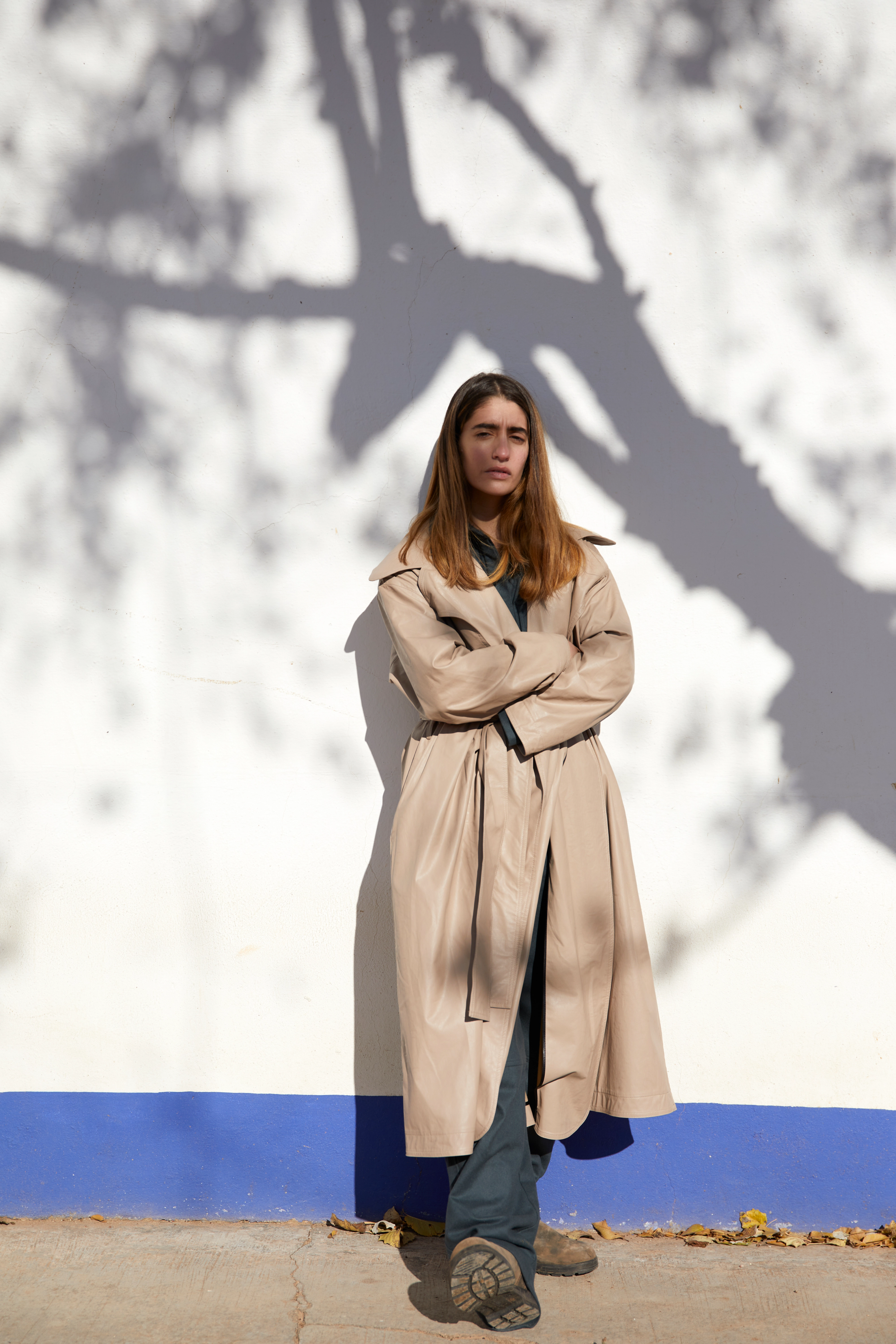
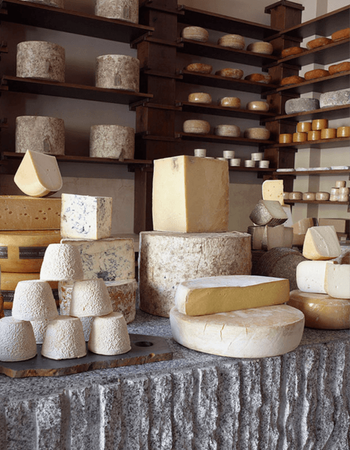
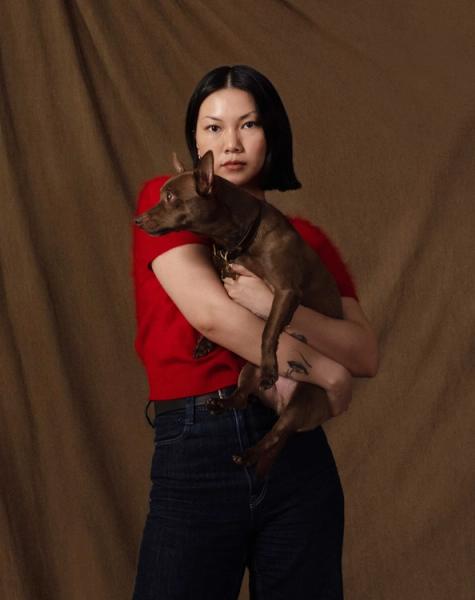
Clara Diez is a cheese activist. The concept isn’t a familiar one, and she knows it. “People seem to find it really funny, or interesting”, she laughs, “but I didn’t even think about it when I said it for the first time”. As the founder of the Madrid-based artisanal cheese shop Formaje (https://formaje.com/), Clara is cultivating an appreciation for artisan cheese, but also a conversation around food production and sustainability, and a community around it.
She’s an activist in the sense that she is promoting the appreciation of the underappreciated; or, in her own words, “fighting for the defense of a product that needs help to survive” and “implementing an idea or a concept that does not have a lot of appreciation yet”.
“I just found the idea really interesting. I thought that it would actually be a great way to do something interesting that might surprise me in some way. So I said yes”

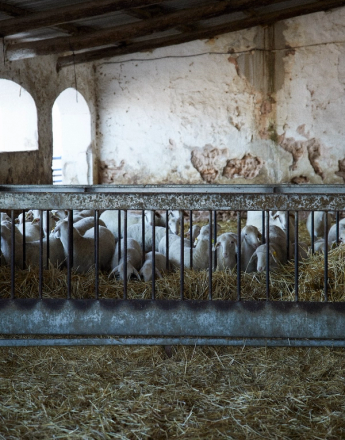
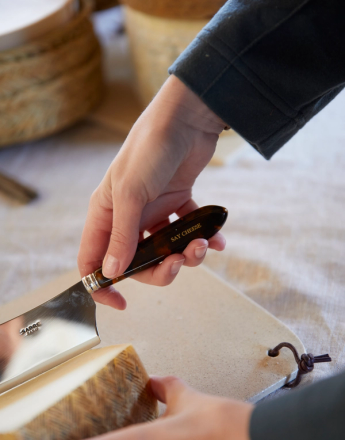
So what is the idea? Good quality cheese, to put it simply. Formaje sells good quality artisanal cheese, with an awareness and celebration of its full story, from the farm to our taste buds. We know where it is from, how it was made, and with it comes a fuller, or “higher experience” of eating: one not just limited to taste, but which communicates and evokes a sensorial, emotional experience. It is promoting a new experience of eating and consuming, based on the idea of knowing and appreciating where our food is from.
For Clara, this all comes down to the world of artisanal cheese. And she makes an emphatically clear distinction between the artisanal and industrial sort: she admits that before working with the artisanal sort, “I didn’t really like cheese.
“It impacted me a lot: to see how bacteria can transform a product, that was really significant for me”

Her love for it began seven years ago. She tells the story fondly, of when it “happened to her”: the moment she fell in love with cheese, as if it were a first crush or a childhood pet. She was 21. She was at university, doing a degree she was unsure about, and feeling like she was at an ‘impasse’ in her life. When a friend of her family, a cheesemaker, told her he wanted to open a cheese shop in Madrid, she was intrigued. “I had no idea about cheese”, she laughs, “I hadn’t seen a cheesemaking process before, I wasn’t connected with food at all at that point, but I just found the idea really interesting. I thought that it would actually be a great way to do something interesting that might surprise me in some way. So I said yes”.

She began training to run the company for him, spending time with cheesemakers, learning about their craft, their challenges in making people understand the value and process behind their cheeses. “The whole world that is behind the product itself” opened up to her. Her husband, or “husband (now), boyfriend (then)” she clarifies laughing, joined them, and they both found a “very human path”; a word that she uses a lot to describe the world and industry. It is human because “everything is made by hand, with raw materials, with respect for the environment”, she explains. They simply “fell in love with the whole idea”.
“The difference is the experience. The experience built through the acknowledgment of what’s behind the product you are consuming”

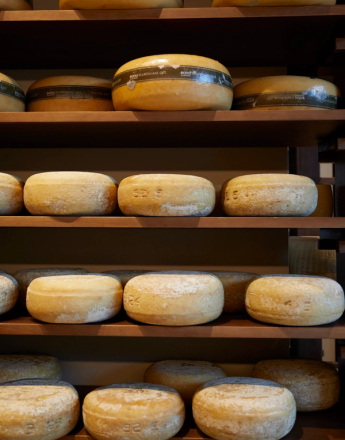
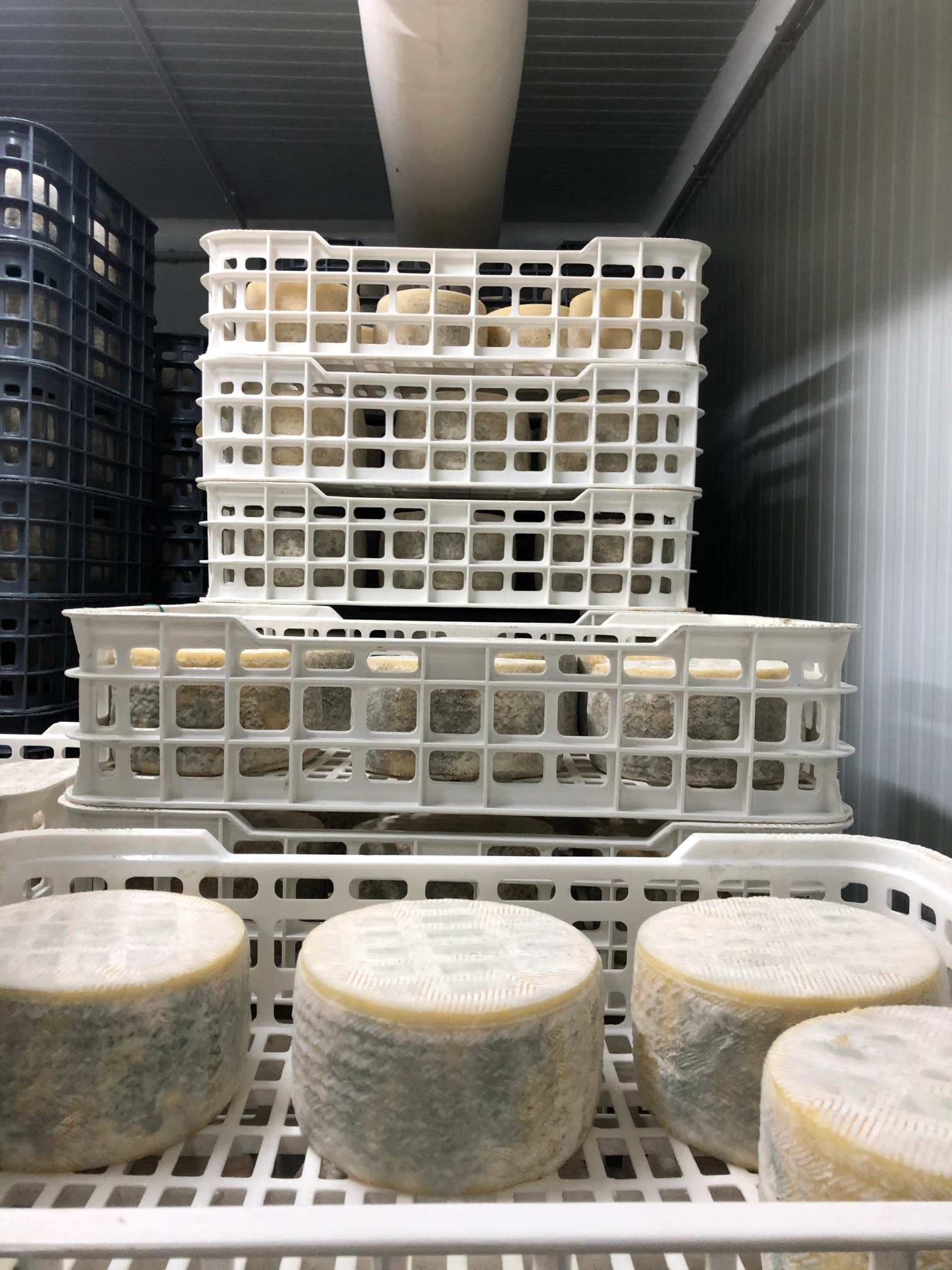
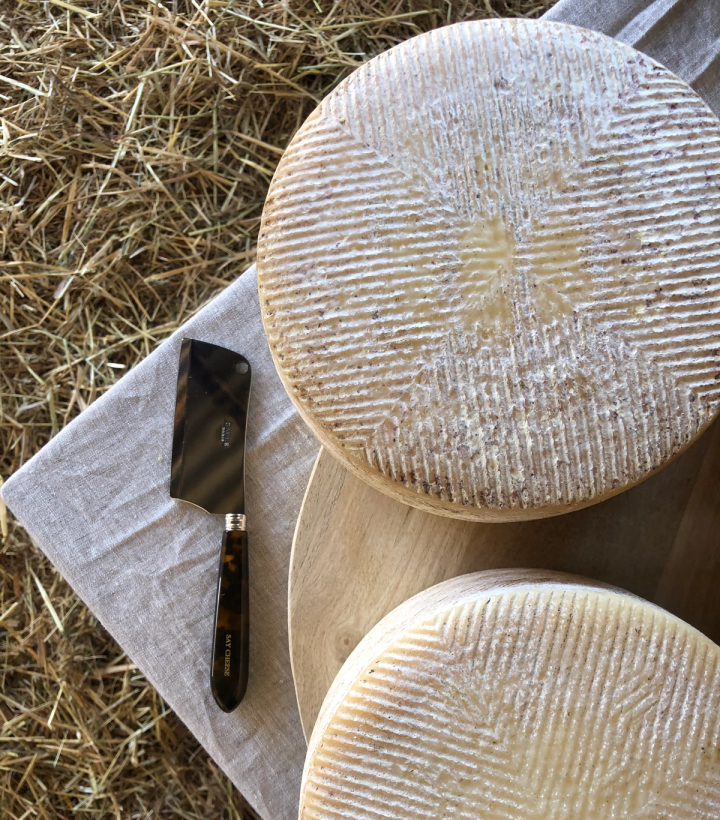
The love at first sight moment with cheese itself came when she had begun work in the industry. She recalls seeing a board of small pieces of cheese of different origins, and looking at the rinds wrinkled by the action of bacteria on them. “It impacted me a lot: to see how bacteria can transform a product, that was really significant for me”.
The significance was, perhaps, in the uniqueness of each piece; the individuality and nuance of the cheese, which she explains is what makes artisanal cheese so different and valuable. “We are looking for heterogeneity, and industry is looking for homogeneity”, she explains. “Industry makes commodity cheese: designed to be consumed in bigger quantities, designed to survive in supermarkets.
So no mould developments, no flavour particularities. Whereas we are promoting singularity, bacteria creating different flavours and textures.” Formaje is promoting cheese with a story. And that’s the key difference: the story and therefore the experience. “The difference is the experience. The experience built through the acknowledgment of what’s behind the product you are consuming”. Clara talks about a new way of experiencing food. One built on appreciation, awareness, and value. With this acknowledgment of where our food has come from, we experience it in an entirely different way: knowing who has made it, how and why, and what it is defending and supporting, takes us so much further than when we just eat for the sake of feeding ourselves.

“It’s all about being a bit more conscious and philosophical in how we eat”
Eating commodity food from the supermarket, with no story behind it, doesn’t take you anywhere; eating food like cheese from Formaje, bearing particularities of the land, the culture, the cheesemaker, and the unique process, gives you a whole experience. “We are just taking it to a higher experience of eating food”, Clara concludes: one that is about defending particular ways of making food, and the story behind it.
And it’s not just the cheese industry that is in need of this shift towards the artisanal. “Bread needs it; it’s happening in coffee; it happened a long time ago with wine”. Most importantly, Clara wonders whether now it is time to “give value to more basic things: vegetables, things that we eat every day… Giving value to the basics: that’s how we can make a change”.

And more significantly, it is not all about the cost, but about the way in which we all consume. We can all rethink how we consume, to not eat in a mindless way, just to feed ourselves. We can question where our food comes from and how it was made, we can appreciate the flavours and textures, without it impacting our spending.
This is what we can all do as individuals, to change the way we consume and experience food. Clara herself makes an exercise of it: she thinks about where the food she’s eating has come from, questions “why this egg has this colour” and what that means. “It’s all about being a bit more conscious and philosophical in how we eat” she says, “thinking about it rather than just eating”.
And while she thinks about eating, Clara is also writing about it. She excitedly shared the news that she is writing a book, and also her dream to spread Formaje to other countries. Because, after all, “the mission of our company is to take this message about artisan cheese as far as possible and to connect as many people as possible with the consumption of good, proper cheese”.
If there’s one thing Clara wants us to take from Formaje, it’s kindness. Something she believes we are losing, along with this act of appreciation. “We want to be a kind company. An honest company”. And she returns to that word, ‘human’. Formaje is a human company, that wants to do things “in a way that is best for everyone, that can involve everyone”. And the value of artisanal cheese really lies in connecting to what’s human.

Listen
Gallery


Store
Travel

"Well, the best cheese shop in the world… make sure you ask for Clara when you’re there"
Formaje
Madrid, Spain
Plaza de Chamberí, 9 28010 Madrid
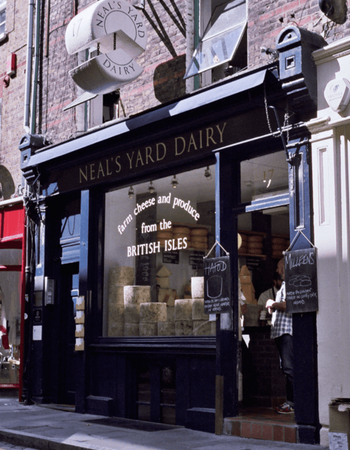
"It’s my favourite cheese shop in the world… after Formaje, of course, But a big reference in the artisan cheese universe and they’re real pioneers. If you go, make sure you buy Dorstone, their Crème Fraiche, and a generous wedge of blue Stichelton."
Neal’s Yard Dairy Shop
London, United Kingdom
17 Short's Gardens, London WC2H 9AT, United Kingdom
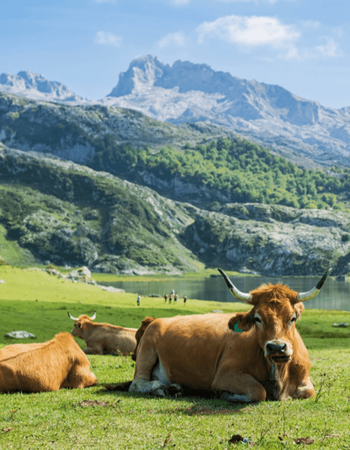
"Here you will find the few left cheesemakers in Spain (and in the world, actually) who age cheese in underground caves. My recommendation would be to go during summer and join some Gamoneu cheese maker for a day and join them on their daily routine. That’s a real cheese experience."
Picos de Europa
Asturias, Spain
Asturias, Spain
Digest
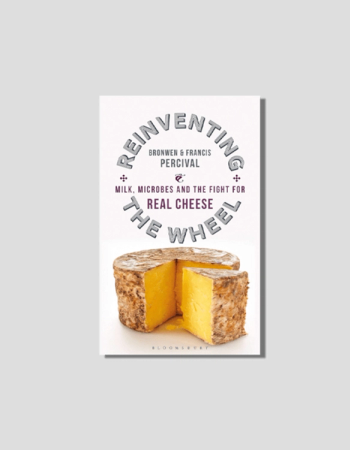
“A great way to analyze artisan cheese culture. I look up to the author, Bronwen, very much. She’s a scientist that has brought a lot of acknowledgement to the world of cheese bacteria.”
Reinventing the Wheel by Bronwen Percival

"This is an App to track the women's period and I’m finding it so helpful in order to have a better understanding of what exactly happens in the female body through the whole month, due to hormonal variations. So insightful."
Flo Living
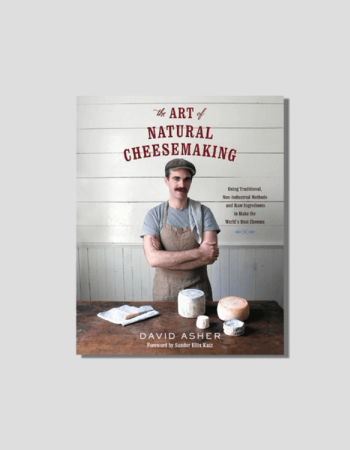
“I wrote the prologue for the Spanish edition, so I feel so proud! Plus it's one of the first cheese books I ever read.”
The Art of Cheesemaking by David Asher
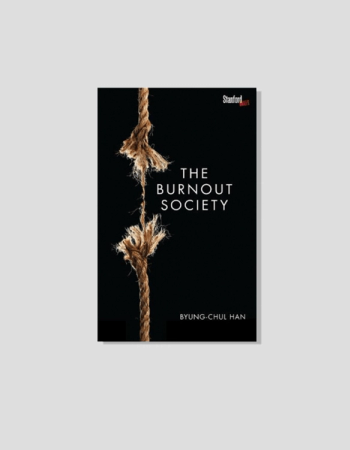
“It’s such a raw vision of actual society but I think it throws a lot of light over some of the most common problems we suffer as individuals nowadays.”
The Burnout Society by Byung-Chul Han

"It’s a fresh take on the fashion industry, by two insiders whose personal style and personality I love: Camille Charrière and Monica Ainley."
Fashion No Filter by Monica Ainleydlv & Camille Charriere
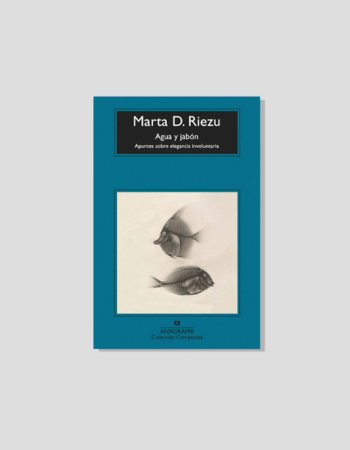
“She’s an e-friend of mine and she’s one of the best writers/journalists I’ve ever known. Her Instagram is filled with hilarious analysis of different matters and I love her raw sense of humor.”
Agua y Jabón

"I feel this is the best series I’ve seen in a while. I love how it portrays the human nature through family relationships."
Succession by HBO Max
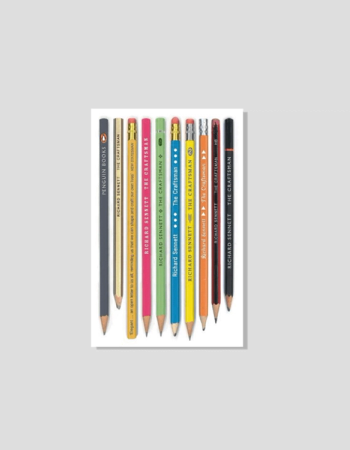
“The book everyone who’s interested in crafts should read. This American sociologist makes an amazing reflection on the real meaning of crafts and craftsmen.”
The Craftsman by Richard Sennet
"I look up to this woman from a professional perspective and I feel that she makes such a great job at putting on the table diverse takes on mental health, bringing a wide range of professionals to discuss with her about different aspects of wellness nowadays. Also her app contains healthy recipes and great sessions of guided meditations and yoga classes."
Feel Better by Deliciously Ella
Explore TasteMakers and TasteBreakers
- Mickalene Thomas
- Alice Pilate
- Amanda Norgaard
- Ana Kraš
- Antonin
- Apollonia Poilâne
- Arman Naféei
- Athena Hewett
- Betony Vernon
- Cathrine Saks & Barbara Potts
- Charlotte Chesnais
- Claire Ptak
- Clara Luciani
- Daphne Javitch
- Daria Stankiewicz
- Dr Natazia Stolberg
- Dr Tara Swart
- Efe Cakarel
- Elisa Sednaoui-Dellal
- Erchen Chang
- Errol & Alex Rita
- Fee Steinvorth
- Fergus Henderson
- Francisco Costa
- Gabrielle Mirkin
- Gia Coppola
- Hall Haus
- Hans Ulrich Obrist
- James Massiah
- Jemima Kirke
- John Pawson
- Julia Restoin Roitfeld
- Kengo Kuma
- Klara Kristin
- Laila Gohar
- Lauren Levinger & Amrit Tietz
- Lucia Pica
- Luke Edward Hall
- Marcantonio Brandolini
- Marie-Louise Scio
- Martina Mondodori
- Mashama Bailey & Johno Morisano
- Max Rocha
- Mijae Kim
- Natalia Criado
- Noemi & Benjamin
- Padma Lakshmi
- Paris Hilton
- Paris Starn
- Paul Stamets
- Pien Barendregt
- Public Possession
- Raven Smith
- Ruth Rogers
- Ryan Gander
- Sarah Ben Romdane
- Shivas Howard Brown
- Silas Alder
- Sky High Farm
- Sophie Lou Jacobsen
- Tonya Papanikolov
- Vicente Muñoz