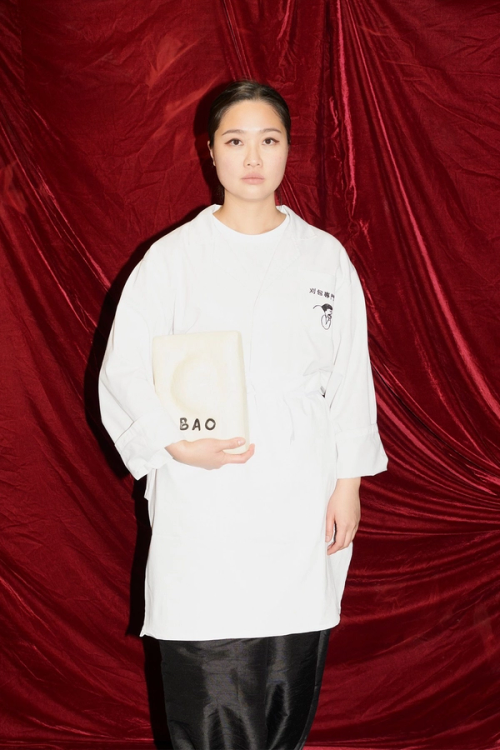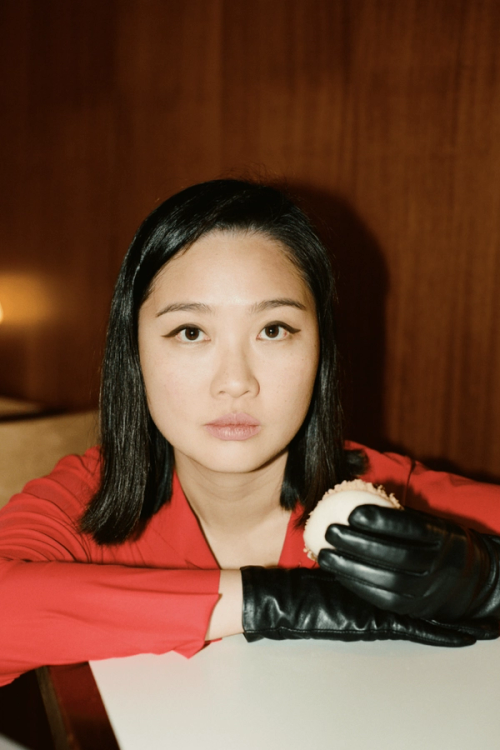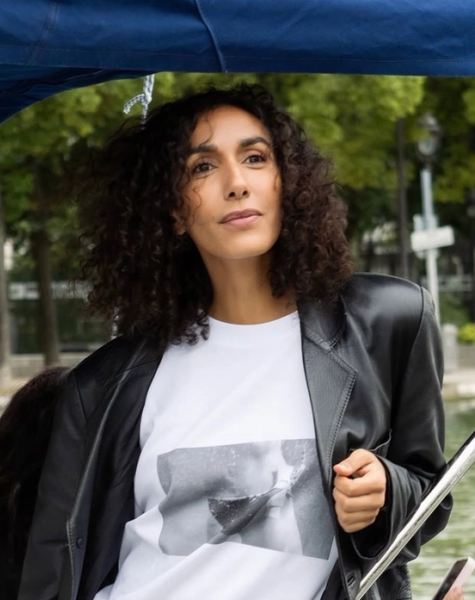



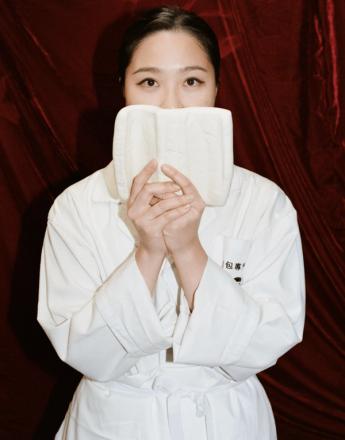
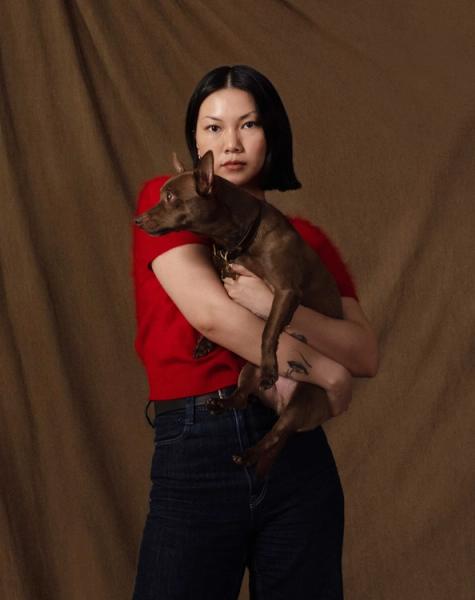
Erchen Chang
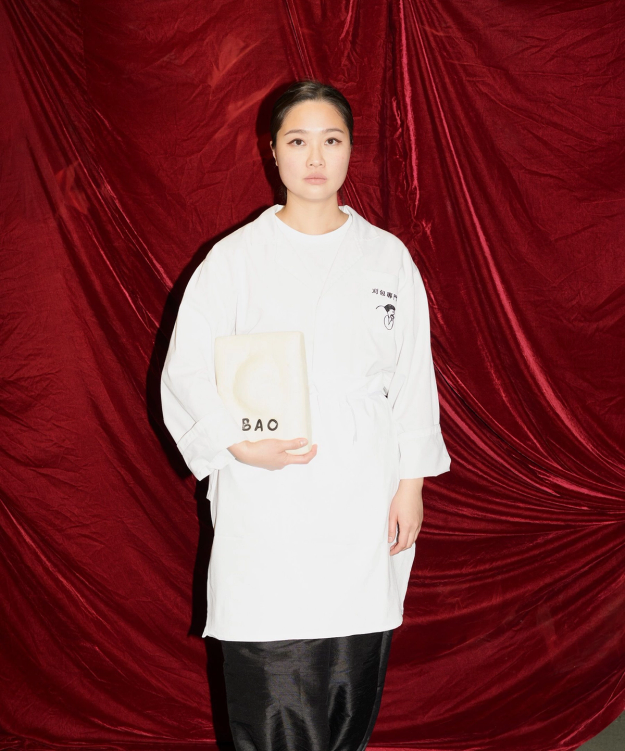
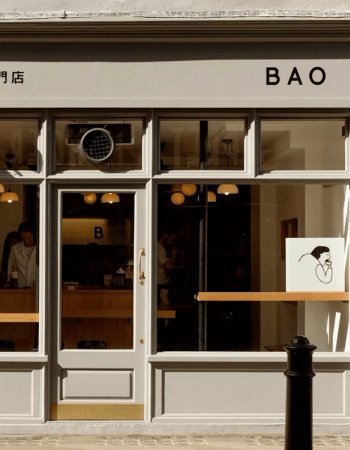
founder of Bao London, a world where art meets the soft Taiwanese treat.
- Store 7
- Learn 1
- Travel 6
- Event 0
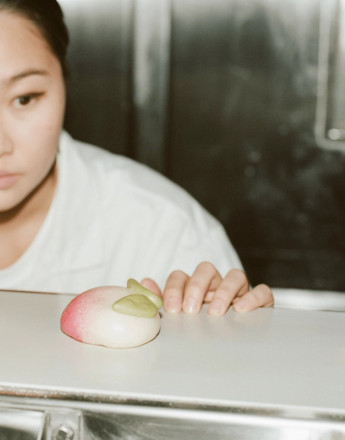
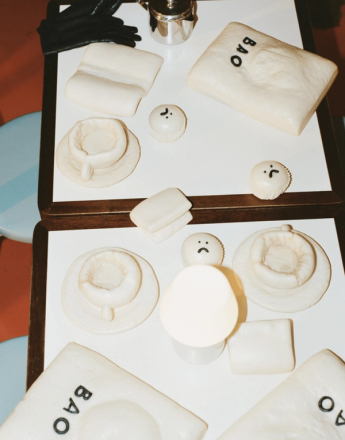
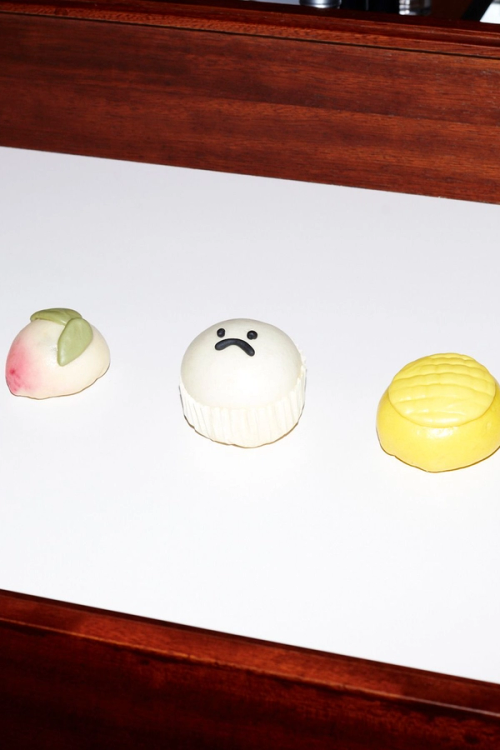
Welcome to Baoworld, where Erchen Chang invites us into her Bakery of Artistic Objects (B.A.O.), an edible universe where flowers, pillows, and teacups are born of dough, and every bao offers a moment to linger in the steam alongside her lonely man.
Read the Story

Have you ever had that type of voyage that has kickstarted a ripple of inspiration? A wave of desire? A siren call to try something new? Founders of BAO London, Erchen Chang, Wai Ting Chung and Shing Tat Chung had this exact life-changing trip ten years ago as a post-university jaunt in Taiwan. Erchen, having grown up in Taipei, took the recently graduated respite as a chance to show her partner and his sister around the haunts of her childhood. A huge part of this trip, as you may have guessed, turned out to be bao. Almost unheard of in the UK until about ten years ago, bao is thought to have originated in the Third Century in China during the age of the Three Kingdoms. The delicacy is now popular worldwide with many a spin being taken in the search for the perfect bao bite.

“Grandma is the star of the family who would prepare everyday for a table of ten. It always feels like she is cooking for a banquet. ”
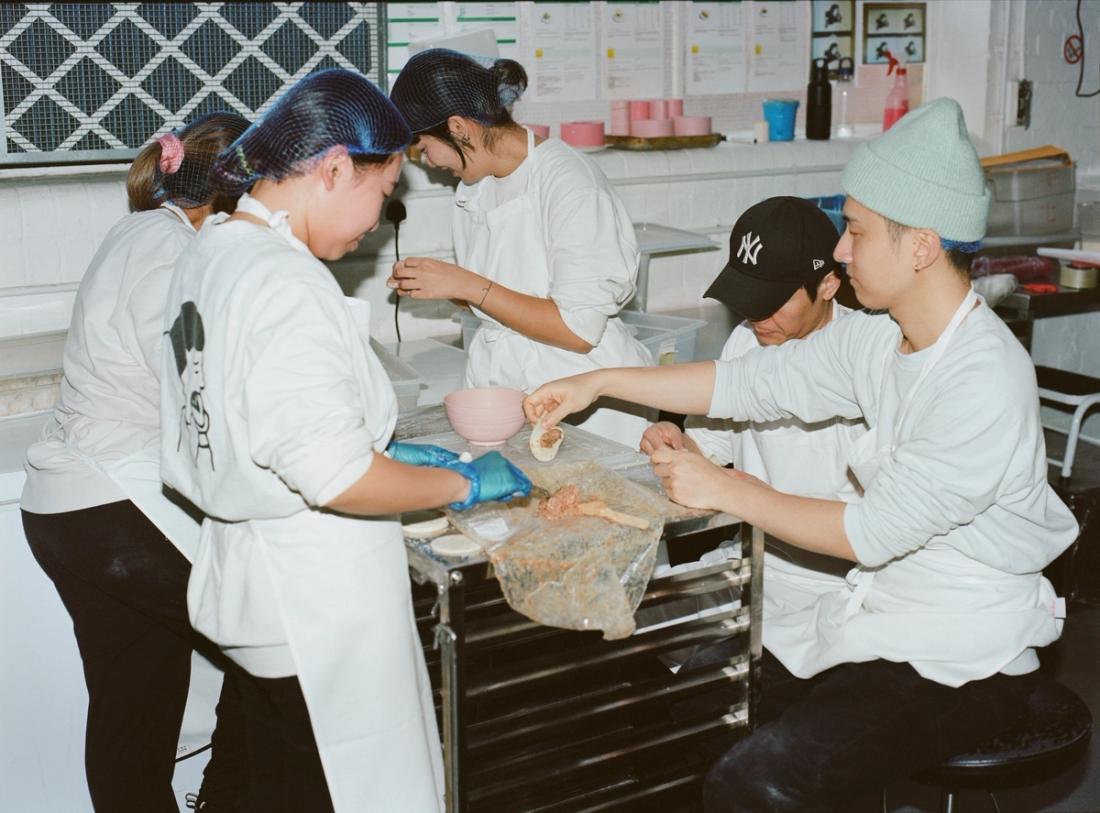
With rather contrasting childhoods, Erchen in Muzha, Taipei, and Shing and Wai Ting in Nottingham, the common denominator that seeped into all three upbringings was food. Eating, drinking, mingling, bringing together family and friends–it was the food of their heritage that was an integral part of their respective youths. Family life and tradition exude from their stories and, as Erchen recounts the life of BAO and how the restaurant universe came about, the interwoven thread always comes back to kin. BAO London, now five ventures strong, started as a small idea that proved, steamed, and grew into the ambrosian empire that it is today. A cafe pop-up event became a stall at Netil market, where the team was later approached by the JKS restaurant group about opening their own permanent site.
The triumphant evolution of BAO has been admired by many. However, we must start right at the beginning to understand the full, bountiful story. Having grown up in Taipei until the age of 14, Erchen, Creative Director of BAO London, spent her formative years watching her grandmother exceed and excel in the kitchen. She tells me that her “Grandma is the star of the family who would prepare everyday for a table of ten. It always feels like she is cooking for a banquet. She works really fast and always manages to have a cold dish, a braised dish, a broth, and stir fried veg.” And, if having one family top-chef is not enough to create a desire to launch oneself into the restaurant world, the family of Shing and his sister Wai Ting has also been soaked in the hospitality gene.

Their maternal grandfather Pai Wan Tang started his London life as a pot-washer at Choice restaurant on the King’s Road in Chelsea, after a month-long solo boat trip from Hong Kong, and worked his way up to head chef at Golden Palace. After this stint in London restaurants, Pai Wan moved to Nottingham to open his own Chinese restaurant, kickstarting the Chung-Chang hospitality journey. Despite this pre-written destiny, both Shing and Erchen eschewed their parent’s ambitions in the first instance by attending The Slade School of Fine Art in London, instead of pursuing a more ‘business-minded’ path. Their parent’s feeling of missed opportunity continued when the founding three started BAO as a pop-up event and then a stall in Netil Market.
The feeling of disappointing a parent is customary to many of us, and as Shing explains, “Not long after we started BAO, travelling to Hong Kong with my father, we visited his home village north of Tai Po and he had to explain to the head of the village that his kids couldn’t get jobs anymore”. Translating a creative career to driven family members is one thing, but attempting to explain your logic and vision whilst “selling steamed buns in a car park”, is another! In the introductory pages to their new book, Shing describes this as a feeling of “wanting to succeed in the language that is common to our family.” Of course, any terse feelings melted away when work commenced with the BAO journey, and both sets of parents rallied behind the cause, supporting in any way they could.
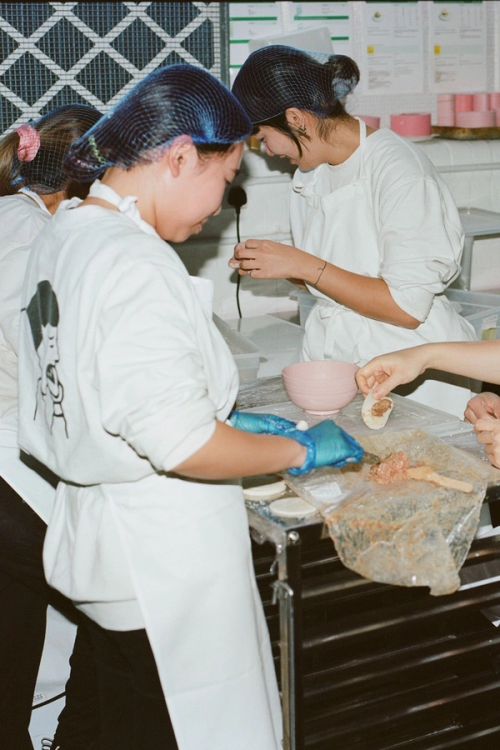
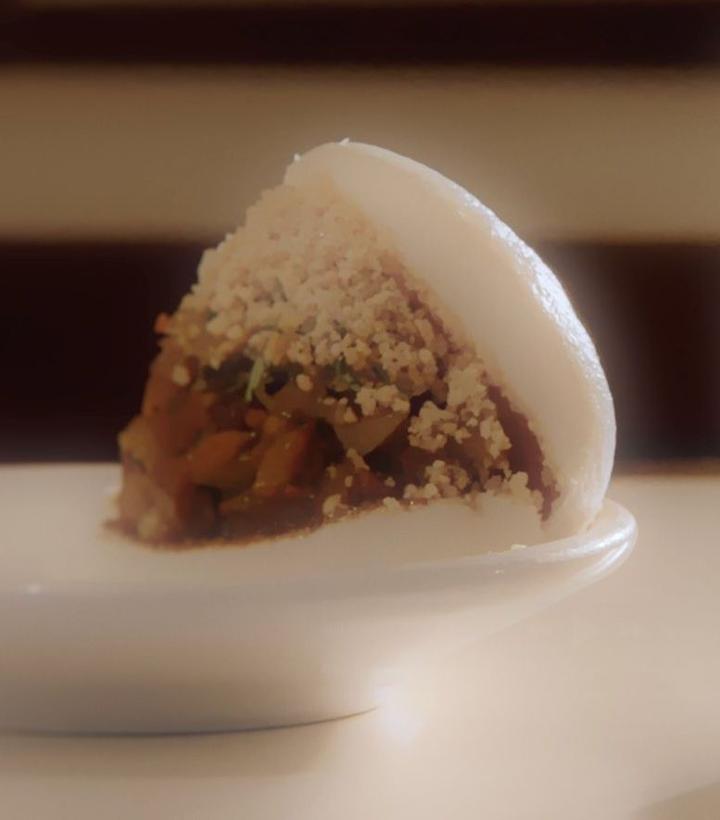
Bao: a type of yeast-leavened filled bun typical in many forms of Chinese cuisine. A perfect bite; soft, white, fluffy, steamed and often filled with tantalising softly spiced meats.

The Slade School, however, turned out to be instrumental in more ways than one, in the creation, curation, and success of BAO. Shing and Erchen met whilst studying their respective degrees at the prestigious university, Shing studying Fine Art and Erchen studying sculpture and media. Her focus on performance and installation art informed her final project, “Rules to be a Lonely Man”, which later became the conceptual logo and basis for the BAO branding. The emblematic insignia depicts a portly man chowing down on a bao with a melancholic glower. But why the long face, people often ask Erchen, and of course, she has the perfect response: “I think what he is truly feeling is this moment of joy, having this perfect moment on his own, eating this perfect bao and he doesn’t want to share!” The creativity that blossomed and burgeoned during this period has stayed intrinsic to the whole operation. The amalgam of Shing’s “slick side of design” and Erchen’s “squiggly hand-drawn style” has become fundamental to the make-up of the enigmatic BAO branding today.
Working as a husband and wife pair, one would assume, would come with its challenges, but Erchen describes a harmonious balance between herself and Shing when it comes to work. “It’s never a fight, as we always come to a compromise, because we both know we want it to be good, so in that way there’s always room for discussion to have this combination of two ideas to make it better.” Their shared inspiration is drawn from many different worlds, from the manga series 20th Century Boys to Suzuki’s Tokyo Drifter, and thereby the cliché seems to ring true, that two heads are better than one.
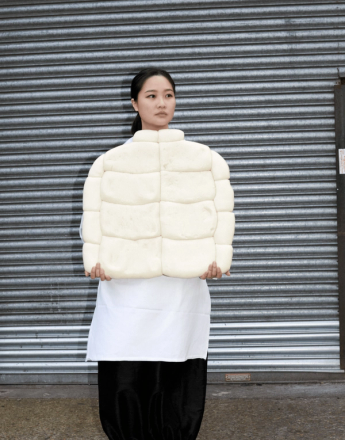
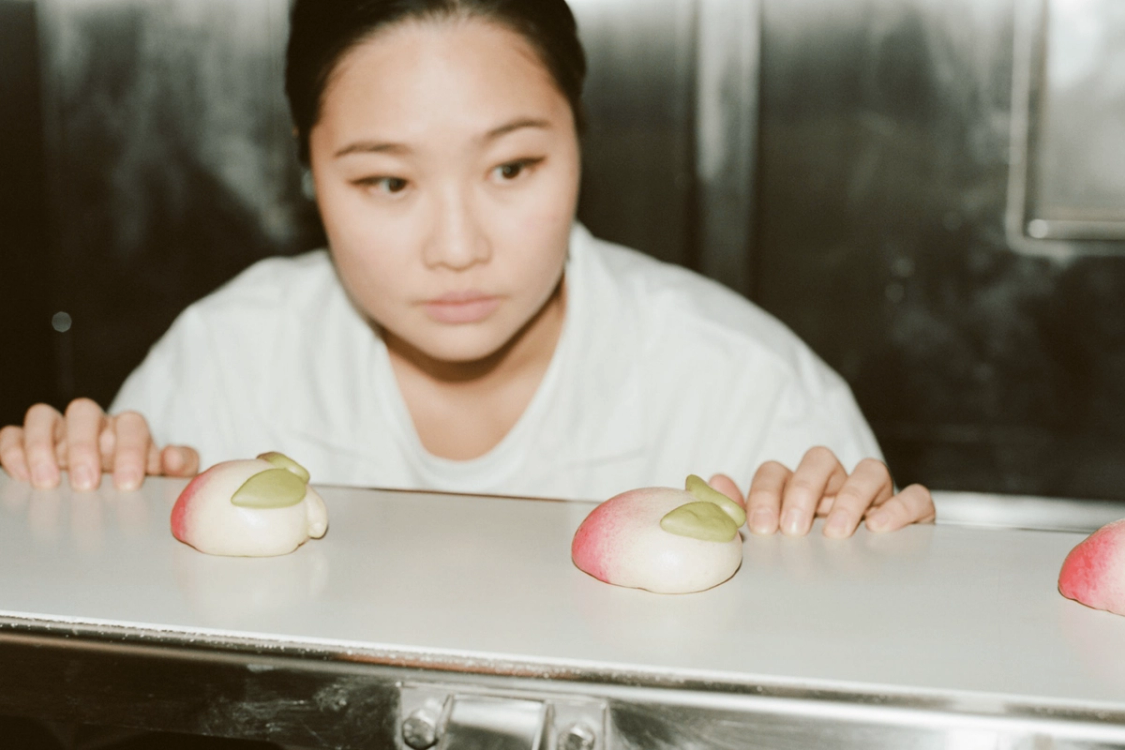
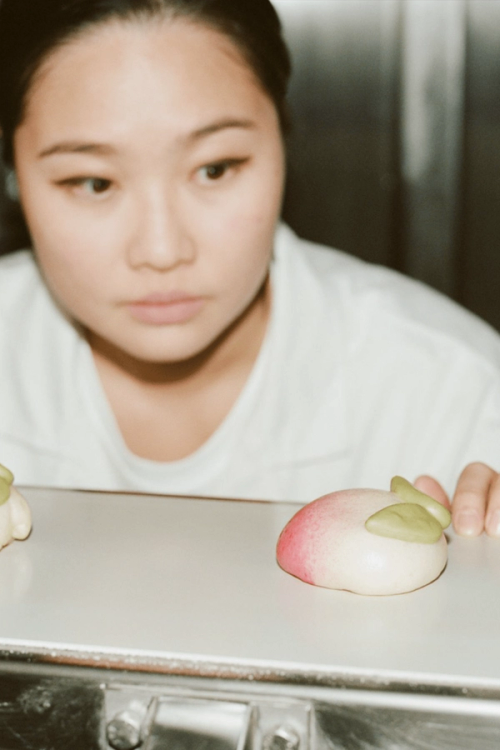
Food and art are, and have always been, intrinsically linked and this is ever more clear in this year of 2023, with the upsurge of edible installations. Whether it’s a return to Roman decadence or a longing for new mediums of artistic expression, this artform has certainly taken off in recent years. Semaine alum Laila Gohar, builds classical sculptures out of butter, Imogen Kwok styles food design for Loewe, and Erchen makes puffer jackets out of bao.

Erchen attests that her time at Slade was formative in encouraging this mode of working. “Working with different forms, different materials, different processes is what inspires me to do the next thing.” When it comes to the trend, however, the criticisms will of course arise. In a period of food scarcity, we discuss whether we can justify using an excess amount of food in the name of art. “Something about food is very attractive and very sensory…and everyone is looking for the next excitement and entertainment, and looking to do things in a decadent way.” We talk of the two ways of feeding; the physical nourishment and being fed in an artistic, inspirational way. Of course, one is more pressing than the other, and Erchen assures me that despite feeling bad about this criticism, “there is always a part of the performance that someone can be eating as well, so that it can be part of the experience, instead of going to waste.”
It may or may not come as a shock that food is always in the vanguard of BAO’s ideology. Their mission THINK FOOD SERVE DESIGN clarifies their aspiration, as Erchen explains that “food is our language and design is the way we think about things. Not everything needs to be designed in a specific way but we will always have food in our minds as a forefront.” Their secondary mission, HERITAGE PRODUCE INNOVATION, animates and augments the kitchen ideology. As a group of Taiwanese inspired restaurants, their heritage comes from travels, childhood, upbringing, and traditional dishes. However, working in London, a direct prandial translation is not always possible and that is where produce comes in. The wealth of ingredients available in the British Isles can alter dishes whilst cherishing both cultures at the same time.
Think…A pig blood cake. A traditional Taiwanese street snack made with glutinous rice, paired with a fried egg to replicate a black pudding full English breakfast. There is that innovation! Erchen calls her approach “‘the 10% innovation’ – never wanting to act revolutionary but adding a touch of something to make you feel like you’re in the BaoWorld. Everything will make sense in terms of flavour and sensation but with a little bit of surprise without shouting “Look at me I’m so cool!””… for the full article, pick up the issue of Semaine and become a subscriber.
By Tori Sharp for Semaine.
Photography by Benedikt Frank.

Listen
Gallery


Store
Travel

“Working with different forms, different materials, different processes is what inspires me to do the next thing.When it comes to the trend, however, the criticisms will of course arise. In a period of food scarcity, we discuss whether we can justify using an excess amount of food in the name of art. Something about food is very attractive and very sensory.”
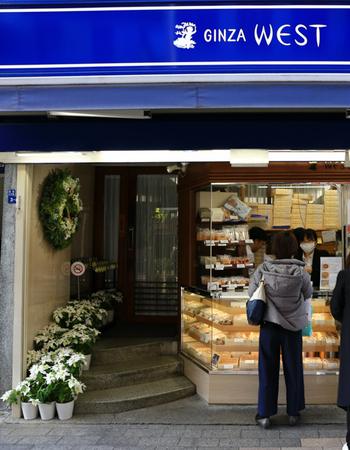
Ginza West
Ishigaki, Japan
Chome-3-6 Ginza, Chuo City Tokyo 104-0061, Japan
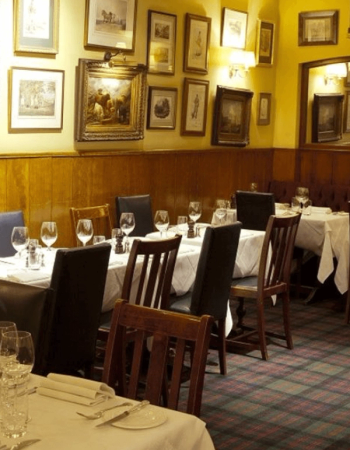
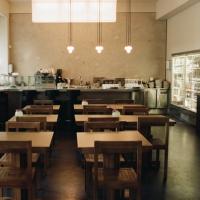
"My favourite place to have steak and chips and a pint of Guinness."
Guinea Grill
London, United Kingdom
30 Bruton Pl London W1J 6NL

"My favourite spot in London. Every mouthful is perfection and the wine selection is always on point. Say no more."
40 Maltby Street
London, United Kingdom
London SE1 3PA, United Kingdom

"A shop that sells old school Chinese kung fu wear, but they are just really comfortable cotton and knitwear shop with a small selection of design. Every time I go to Hong Kong, I have to stop by leekungman for a restock. I used to wear the golden deer button shirt for inside the chef white. And their packaging is beautiful, it’s perfect for gifting too."
Lee Kung Man
Hong Kong, China
505 Shanghai St, Mong Kok
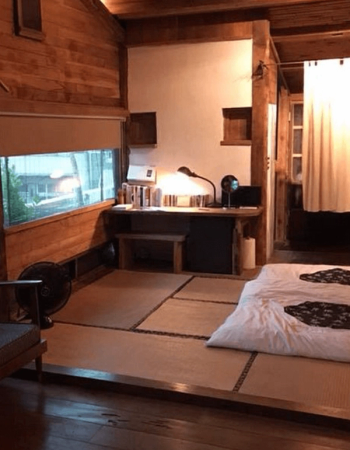
"They have several locations. My favourites are the tree house near BAO’an Road and the one inside the west market. These old houses has captured the essence of old Taiwan."
Old House Inn
No. 14號, Youmin St, North District, Tainan City
MySemaine

Monday Starts with a family walk
“On Mondays I wear orange blush to look energetic.”
Digest

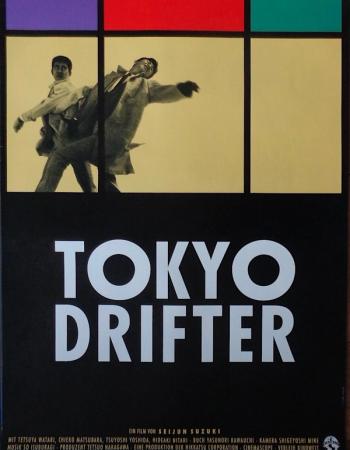
"A melancholy ex gangster on the run who dressed in the most beautiful baby blue suit. He is everything I dream of and the theme song is best listened to with a whisky in hand."
Tokyo Drifter by Seijun Suzuki
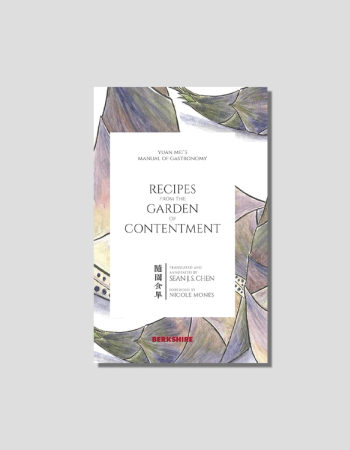
“A classic insight into the Chinese culinary world from the Qing Dynasty. I love Yuan Mei’s meticulous and picky view on how to prepare and eat food in his set of ‘ground rules’ for cooking Chinese dishes.”
Recipes from the Garden of Contentment by Yuan Mei
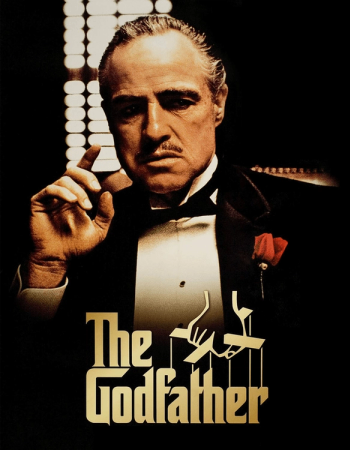
“A guide for how to run your business. Listen to the soundtracks when you feel nervous or sad, the frequency will match your feelings."
Godfather trilogy by Francis Ford Coppola

“I am obsessed. If I ever made an autobiographic film, I want it like this. Also uncannily, the little boy in the film wears a baby blue suit too.”
Dance of Reality by Alejandro Jodorowsky

"I went to the Modern Couple’s show at the Barbican a few years back and was completely fascinated by artists’ relationships and how they sparked and nurtured creativity. So I often refer back to this book for inspirations."
Modern couples by Jane Alison and Coralie Malissard

“If you cannot get hold of the chibi maruko chan manga (see my reading recommendations), you can watch the cartoons instead. Watch it to relax, to relive (my) childhood memories and to sing long the theme songs.”
Manga Set by Chibi Maruko Chan
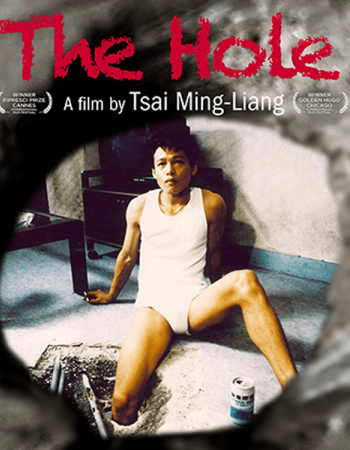
"A slow and deadpan film set in the gritty side of Taiwan, I especially love the surprising musical intervals that reveals what the peoples are thinking in the film. Tsai Ming Liang gives me life. Watch all Tsai Ming Liang’s musical clips on loop to gain happiness."
The Hole by Tsai Ming Liang
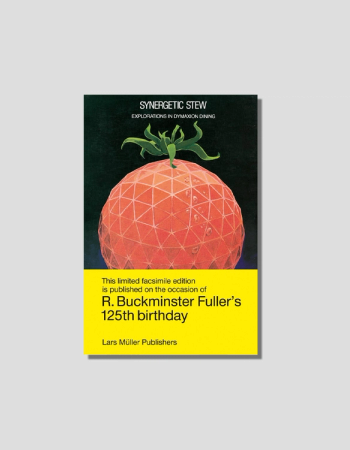
“Is it a cookbook or more of a love letters gathered from friends, family and peers of Buckminster Fuller? It’s a true love and celebration of such icon. And again another imaginative book for a wild ride.”
Synergetic Stew by Buckminster Fuller
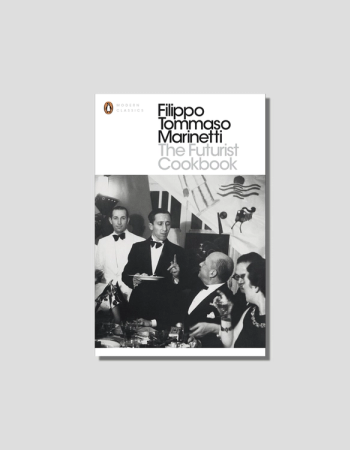
“An outrageous cookbook with rules set by Fillippo Tommaso. It often reignites me when I sink into the day to day of work with his wild imaginations and unapologetic attitude.”
The Futurist Cookbook by Filippo Tommaso Marinetti
Explore TasteMakers and TasteBreakers
- Alice Pilate
- Amanda Norgaard
- Ana Kraš
- Antonin
- Apollonia Poilâne
- Arman Naféei
- Athena Hewett
- Betony Vernon
- Cathrine Saks & Barbara Potts
- Charlotte Chesnais
- Claire Ptak
- Clara Luciani
- Daphne Javitch
- Dr Natazia Stolberg
- Dr Tara Swart
- Efe Cakarel
- Francisco Costa
- Hans Ulrich Obrist
- James Massiah
- John Pawson
- Julia Restoin Roitfeld
- Kengo Kuma
- Laila Gohar
- Lauren Levinger & Amrit Tietz
- Lucia Pica
- Luke Edward Hall
- Max Rocha
- Natalia Criado
- Noemi & Benjamin
- Padma Lakshmi
- Paris Hilton
- Paris Starn
- Ryan Gander
- Sarah Ben Romdane
- Shivas Howard Brown
- Sky High Farm
- Tonya Papanikolov