


Clara Luciani
the chanteuse making vulnerability sound irresistible.
- Store 6
- Learn 0
- Travel 10
- Event 0
With her intimate and autobiographical debut Sainte-Victoire, Clara Luciani emerges as a leading voice of French pop’s nouvelle vague, channeling feminism, heartbreak, and the spirit of 1960s chanteuses through a deep, melodious sound inspired by Nico, Françoise Hardy, and Dalida.
Read the Story

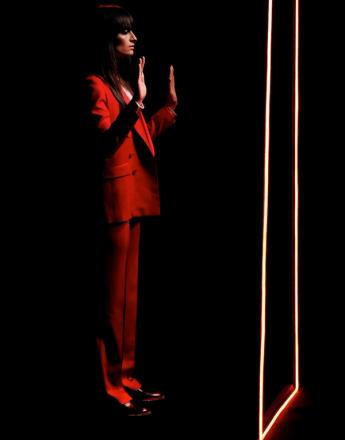
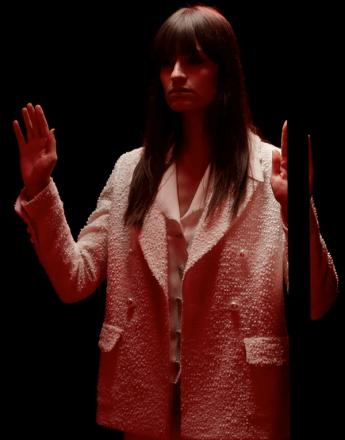
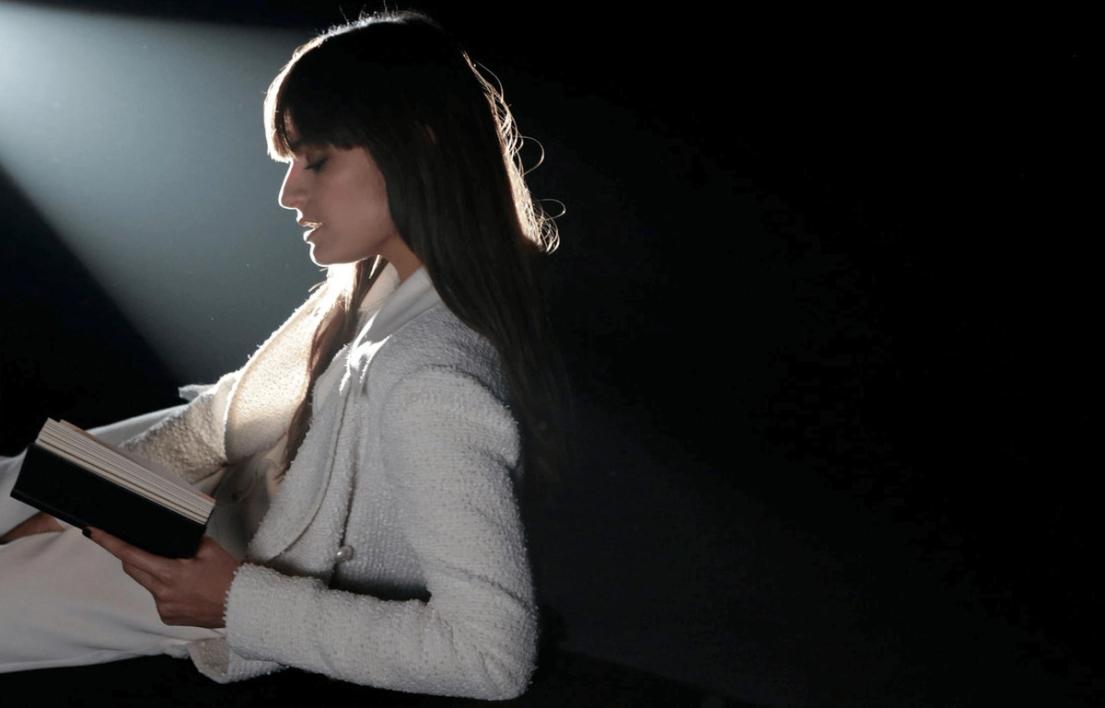
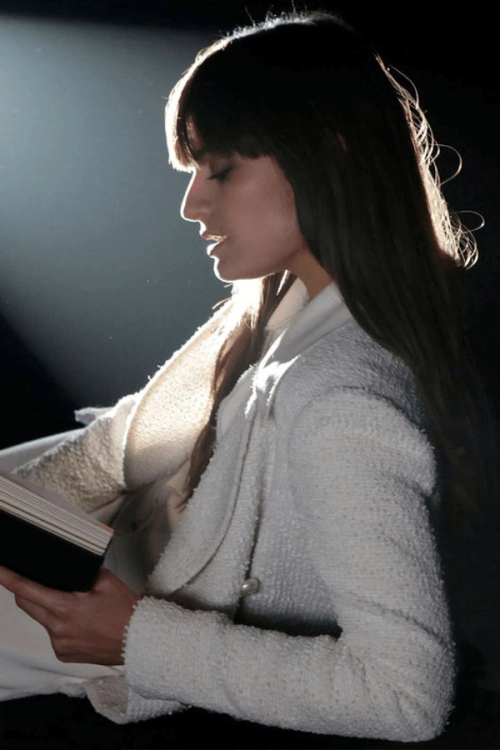
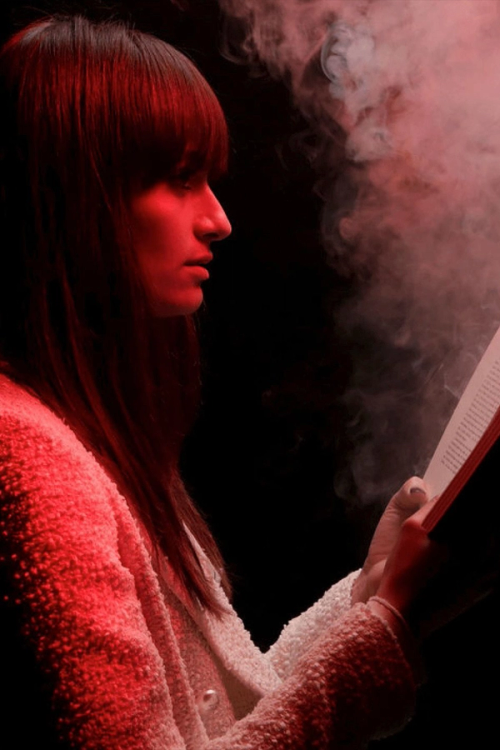
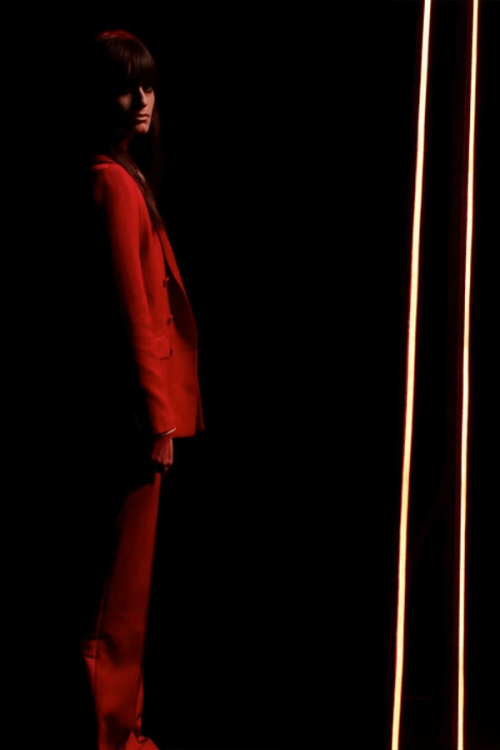
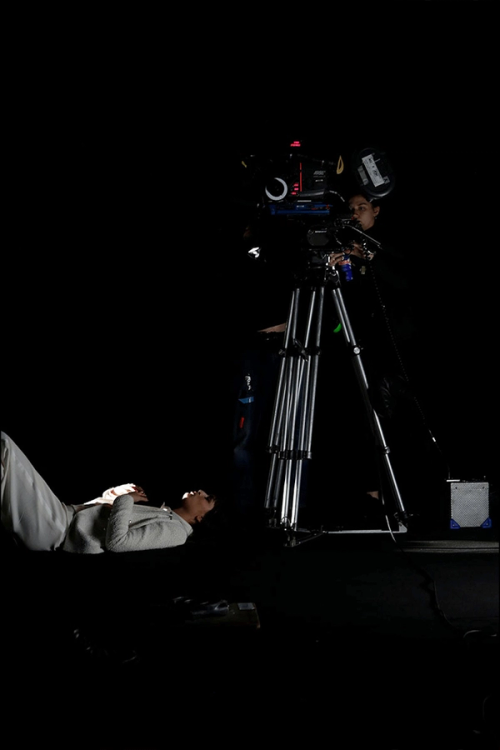
Clara Luciani on set for "Sainte-Victoire" MV
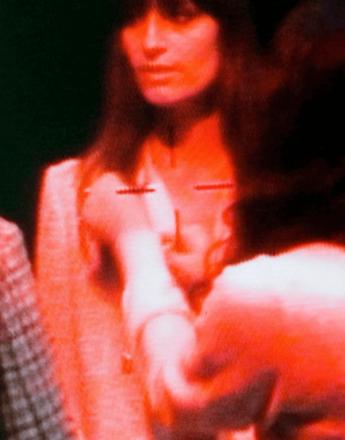
Launching her solo debut Sainte-Victoire in April 2018, Clara Luciani is already one of the frontrunners of French pop’s nouvelle vague taking the country by storm; recently gaining further notoriety by winning a Victoires de la Musique award for Group or Artist Stage Révélation of the Year. Intimate and autobiographical, Clara’s Saint-Victoire ranges from feminism to heartbreak, expressing a range of sound and emotion in a deep, melodious voice reminiscent 60s chanteuses Nico, Françoise Hardy, and Dalida. Collaborating with previous tastemaker Alma Jodorowsky, Semaine produced Clara’s new official video for the eponymous track ‘Sainte-Victoire.’ Noting the album’s personal nature, it’s no surprise the young Marseillaise named her debut after the mountains that dominate the Provençal landscape.

“You made me understand that I was invincible / Victorious whatever the outcome / I am armed to the teeth / Under my bosom / A grenade”
Following a chance meeting with La Femme’s Marlon Magnée at a festival (apparently he can dance a mean twist), Clara decamped to the French capital to try her hand at breaking into the music industry. She was 19. After growing up in a northern suburb of Marseille, the musician has referred to moving to Paris as rebirth. “[Paris] gave me the possibility to meet other musicians and play concerts. Due to that, it was easier to make music than in the South of France,” she said. Cutting her teeth on collaborations with La Femme, followed by Hologram with Maxime Sokolinski, Nekfeu, and touring as the opening act for Benjamin Biolay, Clara brings strong foundations to her solo career.
Inspired by a breakup, her initial EP “Monstre d’Amour” garnered apt comparisons to Barbara, one of France’s most beloved troubadours of melancholy.
Donning long black gowns, velvet capes, and a moody countenance, Clara stalked through snowy landscapes, the wide-brimmed straw hat dangling from her neck reminiscent of an aureole. Looking at Monstre d’Amour and Sainte Victoire, the tonal difference is clear. Shifting from patron saint of heartbreak to powerful modern woman, Clara uses breakout hits like the feminist anthem “Grenade” and her cover “La baie” to show the diversity of her sound and perspective. Lyrically, however, the roots of Clara’s sober reflections remain.
“Hey you—what are you looking at? / You’ve never seen a woman who fights? / Follow me in the washed-out city / and I will show you / how I bite / how I bark,” she sings at the opening of “Grenade,” her top track on Spotify with 2 million plays and counting.

“I never really include situations or people that are imaginary or poetic. I simply recount my life in the most direct and simple way as possible.”
Yet for Clara, strength and vulnerability exist side by side, and her choice to blend dancefloor anthems with moody ballads reflects her perspective on the feminine experience. Stripped down to only vocals and guitar, “Drôle d’époque” examines the double standards modern women face, while “Les fleurs” muses on finding refuge from the negativity and pressure of contemporary life. In “Sainte Victoire,” Clara thematically unites her EP with her album. Clara speaks over the song’s driving beat and mingled synths, describing surrealistic rebirth from past sorrow. “The desire to live is irresistible / To recover from this sorrow / To recover from this pain is to be able to face everything / You made me understand that I was invincible / Victorious whatever the outcome / I am armed to the teeth/ Under my bosom /A grenade,” she says.
Her penchant for covers comes from an appreciation of 1960s yé-yé. Riffing on this tradition of translating hit American and British pop songs for a French audience, she tackled Lana Del Ray’s “Blue Jeans” on YouTube and included Metronomy’s 2011 single as “La baie” on Sainte-Victoire. Citing musicians like Marie Laforet, who transformed The Rolling Stones’ “Paint it Black” into “Marie Douceur/Marie Colère,” as inspiration, she found greater creative freedom in the French language to add her own personal touch. “For me, there’s freedom in translation, especially,” she said. “It is to make it your own—to tell the same story but with your own words.”
While American pop relies more on crafting a catchy melody than smart lyrics, Clara’s songs are a perfect example of the French enthusiasm for language.

After spending her teenage years blogging and writing poetry, she approaches songwriting as something distinctly personal. “For me, writing songs is like writing an intimate journal,” Clara said. “I never really include situations or people that are imaginary or poetic. I simply recount my life in the most direct and simple way as possible.” Despite a shift over the last 10 years towards French artists choosing to sing in English, Clara writes, sings, and performs in her native French. “The French language has influenced me for two reasons. One aspect is because I speak really bad English, and the other is that I talk about such intimate and personal things in my songs,” Clara said. “It would be absurd to sing in another language. It would be like putting a filter between me and my writing. I don’t want that.”
By Lauren Sarazen for Semaine.
Photography by Noel Quintela.

Listen
Gallery


Store
Travel

Standing at the foot of Montmatre hill in an 1830 hôtel particulier, the Musée de la Vie Romantique is a museum dedicated to Romanticism, with a secret garden beautiful enough to make you fall in love.
Musée de la Vie Romantique
Paris, France
16 Rue Chaptal 750009 Paris

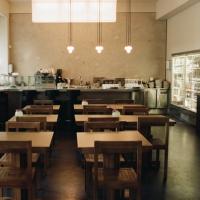
The founders met in 2010, with a love for both floristry and cheese. The result? A wonderful local and seasonal florist café, with the aim of working exclusively with French flowers.
Désirée
Paris, France
5 Rue de la Folie Méricourt 75011 Paris

One of the sweetest tea rooms you'll stumble upon in Paris, with homemade cakes surrounded by theatre posters, mismatched furniture and murals that scream an alternative Paris.
Le Loir dans La Théière
Paris, France
3 Rue des Rosiers 75004 Paris
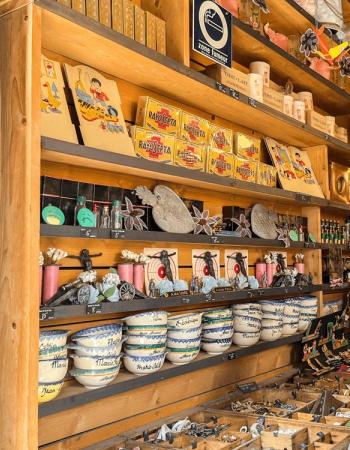
Les Puces de Saint-Ouen is a sprawling network of warehouses, stands and alleyways that put any other carboot sale to shame. With over 5 million visitors a year, it is worth spending some time browsing this area of Paris.
Marché aux Puces de Saint-Ouen
Saint-Ouen-sur-Seine, France
Rue des Rosiers 93400 Saint-Ouen-sur-Seine France
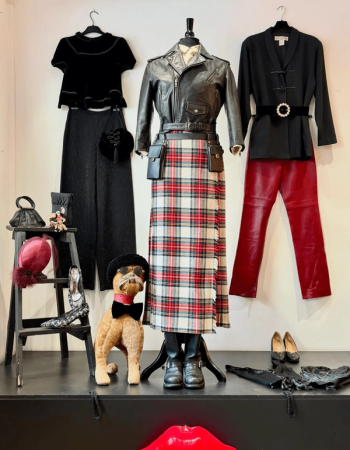
A vintage shop in Paris that is not worth missing, with beautifully curated pieces and service to boot.
Celia Darling
Paris, France
5 Rue Henry Monnier 75009 Paris

One of the two family run restaurants in Paris, the restaurant has entertained for centuries with both a Parisien and international clientele.
Bouillon Chartier
Paris, France
7 Rue du Faubourg Montmartre 75009 Paris

Dirty Dick is a busy, low-lit bar with a Polynesian vibe. The inventive tropical cocktails make the visit worthwhile in itself.
Dirty Dick
Paris, France
10 Rue Frochot 75009 Paris
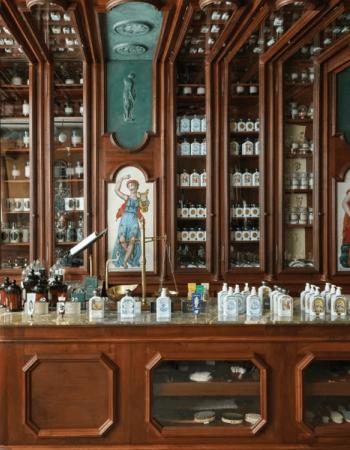
A French brand that has become a worldwide success and key in the beauty industry, offering perfumes, atmospheric odours and other beauty treatments.
Officine Universelle Buly 1803
Paris, France
6 Rue Bonaparte 75006 Paris
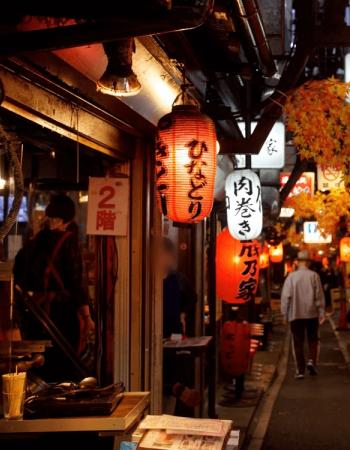
Soma, a small Japanese bistro, is situated at the heart of le Marais district. Called Izakaya in Japan, they are unmissable there, offering a unique experience of consumption and socialisation through the small dishes offered.
SOMA Saintonge
Paris, France
13 Rue de Saintonge 75003 Paris
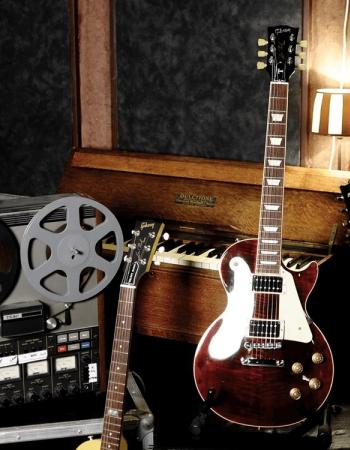
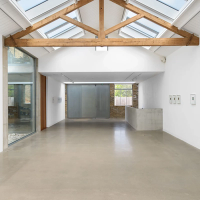
Find Clara in Studio Pigalle, as it offers multiple workspaces for recordings, live sessions and rehearsals. Their aim is to ensure the best sound pickup, thanks to the environment and soundproof cabin.
Studio Pigalle
Paris, France
18 Rue Jean-Baptiste Pigalle 75009 Paris
Digest
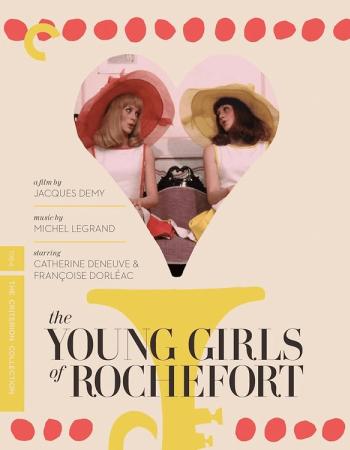
Leaving their small seaside town of Rochefort in search of romance, these two sisters follow very different paths...
The Young Girls of Rochefort directed by Jacques Demy

A Frozen Woman charts Ernaux's teenage awakening, and then the parallel progression of her desire to be desirable and her ambition to fulfil herself in her chosen profession - and the conflict between the two that follows.
A Frozen Woman by Annie Ernaux
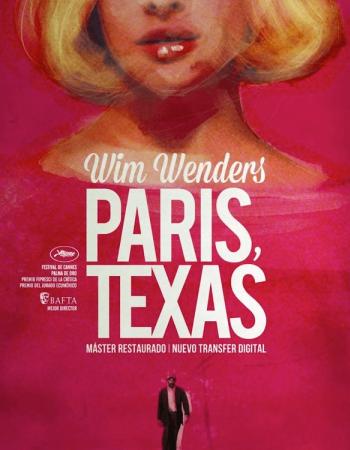
The protagonist, Travis, has been missing for four years, wondering out to the desert to connect with society, himself and his family.
Paris, Texas directed by Wim Wenders

One of the leading novelists in post-war France, The Lover is the best known of these novels published posthumously. Set in pre-war Indochina, it is a haunting tale of a tumultuous affair between an adolescent French girl and her wealthy Chinese lover, based on Duras' own life.
The Lover by Marguerite Duras

A sci-fi set in the 41st century, Barbarella sets out to destroy an evil scientist.
Barbarella directed by Roger Vadim

Karoo is a professional fixer of other people's scripts and, by his own acknowledgement, he ruins them all. As the novel charts his life as it breakdowns, a mix of comedy and calamity ensues.
Karoo by Steve Tesich
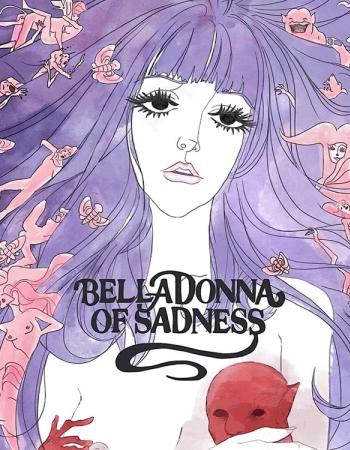
Another vintage animation that will get you thinking about the world beyond is Belladonna of Sadness. After being banished wrongfully from her village, Belladonna makes a pact with the Devil to take her revenge.
Belladonna of Sadness directed by Eiichi Yamamoto
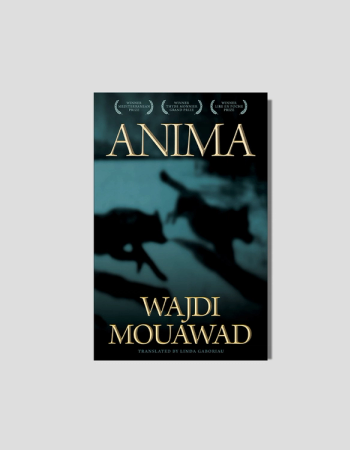
Returning home one evening after work, a man discovers his wife brutally murdered, lying in a pool of blood. The story of how this happened is relayed through a variety of animals.
Anima by Wajdi Mouawad
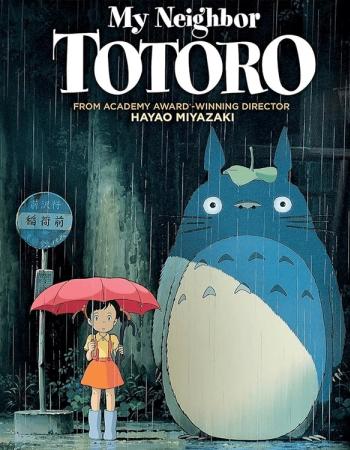
After two girls move to the countryside to be with their mother, the forest spirits become their closest companions.
My Neighbor Totoro directed by Hayao Miyazaki
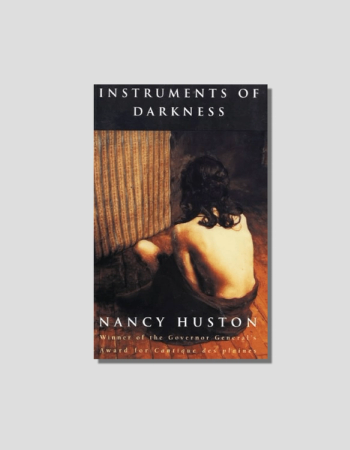
Instruments of Darkness is a counterpoint of music and religious imagery, as the protagonist aims to exorcise the repercussions of family trauma.
Instruments of Darkness by Nancy Huston

A divorced Jewish comedian, Alvy Singer, reflects on his relationship with Annie Hall.
Annie Hall directed by Woody Allen

Published in 1859, Elle et Lui is a semi-autobiographical novel that charts the relations between George Sand and Alfred de Musset.
Elle et Lui by George Sand
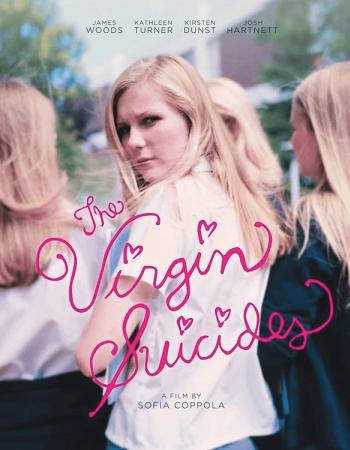
A dreamlike colour palette sets the scene of this movie, as a group of male friends become obsessed with five sisters sheltered by their strict, religious parents.
The Virgin Suicides directed by Sofia Coppola
Explore TasteMakers and TasteBreakers
- Alice Pilate
- Amanda Norgaard
- Ana Kraš
- Antonin
- Apollonia Poilâne
- Arman Naféei
- Athena Hewett
- Betony Vernon
- Cathrine Saks & Barbara Potts
- Charlotte Chesnais
- Claire Ptak
- Daphne Javitch
- Dr Natazia Stolberg
- Dr Tara Swart
- Efe Cakarel
- Erchen Chang
- Francisco Costa
- Hans Ulrich Obrist
- James Massiah
- John Pawson
- Julia Restoin Roitfeld
- Kengo Kuma
- Laila Gohar
- Lauren Levinger & Amrit Tietz
- Lucia Pica
- Luke Edward Hall
- Max Rocha
- Natalia Criado
- Noemi & Benjamin
- Padma Lakshmi
- Paris Hilton
- Paris Starn
- Ryan Gander
- Sarah Ben Romdane
- Shivas Howard Brown
- Sky High Farm
- Tonya Papanikolov